• About
  • Visit Gray Star Design
  • Minted Collection
  • Design Services
  • Contact

The Design Inspirationalist

~ Inspiring Ideas | Spectacular Creations

The Design Inspirationalist

Category Archives: Guest Posts

Creating a Relaxing Atmosphere

07 Friday Jun 2013

Posted by melissaoconnor in Everyday Design, Guest Posts, Ross Donald, The Home

≈ Leave a comment

Tags

aromatherapy, bathroom, bubble bath, candles, design, lighting, mellow, music, peaceful, recuperate, relax, relaxing atmosphere, soothing

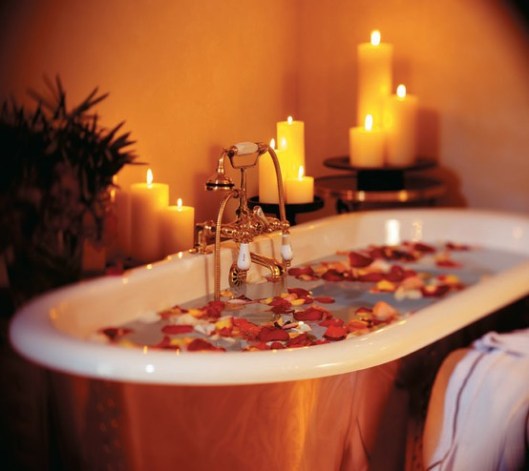
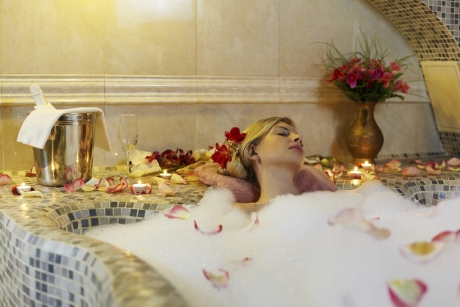
Some days are harder than others, and when those days leave you feeling worn out and washed up, it’s important to find a soothing, comforting way to relax and unwind. Bubble baths have been an effective remedy for stress for years, but if you’re really looking to shut yourself in and close off your mind, it’s going to take more than a simple bath with bubbles. To help you recuperate after a long day, try these tips to help you turn your bathroom into the ultimate getaway.

Creating a Relaxing Atmosphere
Photo Credit: Brighten the Path

Light for Relaxation
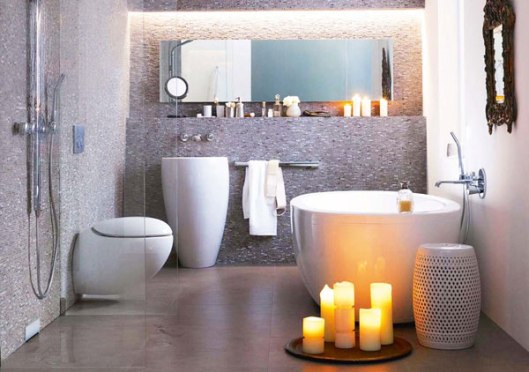
To really allow yourself to drift away in your bubble bath and forget your cares and worries, picking the right lighting is going to be essential. A normal bathroom light is too loud for a soothing environment, and turning off the light would be a tad depressing. To find a happy medium, bring in a lamp with a soft glow or even one that illuminates an entirely different color such as a mellow purple or a comforting black light; either way, you want to pick something that is easy on the eyes but manages to exude a peaceful gleam.
Creating a Relaxing Atmosphere
Photo Credit: Fresh Home

Creating a Relaxing Atmosphere
Photo Credit: Meet Me at the Boutique

Breathe in a Good Dose of Aromatherapy
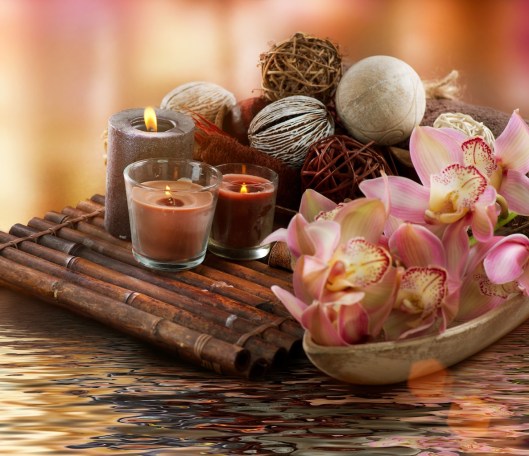
Next, you’re going to want to pick your scents; half the appeal of a bubble bath is letting your sense of smell do most of the work and giving your sense of sight a break for a moment. It’s natural to want to pick your favorite aroma, but it’s important to keep a couple of things in mind. First, you’re not going to want to pick scents that clash with the bath products you’re using, and you’re also going to want to avoid lighting anything too powerful, as this can cause headaches and ruin the intent of what the bath is supposed to do. Whether it’s incense, oils, or candles (candles could work as your source of light as well), pick ones that are strong enough to absorb but not ones that will dominate all other sensations.

Creating a Relaxing Atmosphere
Photo Credit: Apothecary Wellness

Creating a Relaxing Atmosphere
Photo Credit: Natural Body Guru

Bask in Some Mellow Tunes
Nothing puts the finishing touch on the mood you’re trying to create like the right kind of music, and for a Zen type of ambiance, some light jazz, ambient electronica, or down-tempo oriental music will do just the trick. On the other hand, music is subjective, so just focus on making a playlist that transports you to a blissful mind state as soon as you hit the play button.

Remember the Extras
After you get the lighting, aroma, and music adjusted to your liking, it’s time to think about any extras you’re going to want to bring in. If you’re not looking to shut off your mind completely, a book or magazine is always a great accompaniment to a warm bubble bath, or if you’re in the mood for a beverage, bring in a nice glass of wine or lemonade to indulge in; the point is to insure that you’ve designed your bubble bath to serve as a temporary island where you have everything you need. You want to be able to close your eyes and let your mind wander, daydream to your heart’s desire.
Creating a Relaxing Atmosphere
Photo Credit: Her.ie

Written by Ross Donald
Choosing the Right Colors for the Rooms of Your Home

06 Thursday Jun 2013

Posted by melissaoconnor in Color Inspiration, Everyday Design, Guest Posts, The Home

≈ Leave a comment

Tags

bedroom, blue, color advice, colors, cream, design, dining room, earthy tones, exercise room, gray, home, kitchen, living room, neutral, office, orange, red, white, yoga space

When choosing to paint a room in the house it is best to strive for a color you like, but also a color that likes you. Color can have subtle, yet profound, influences on moods and feelings, and recognizing that can help a room to be aesthetically pleasing as well as beneficial. The correct colors in a kitchen or art room can help inspire creativity while the wrong colors in a bedroom can induce irritability when relaxation is being sought. Below are different types of rooms commonly found within a household, and which colors would best compliment them.

Living Rooms
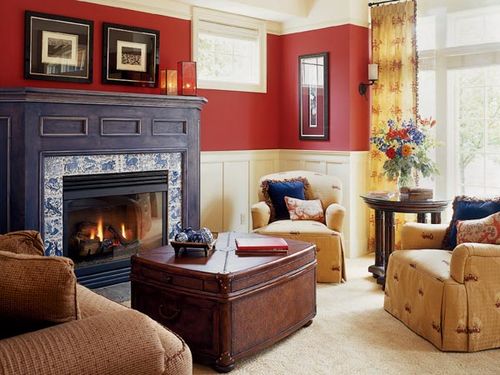
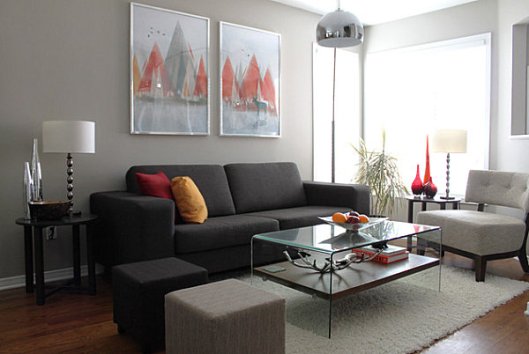
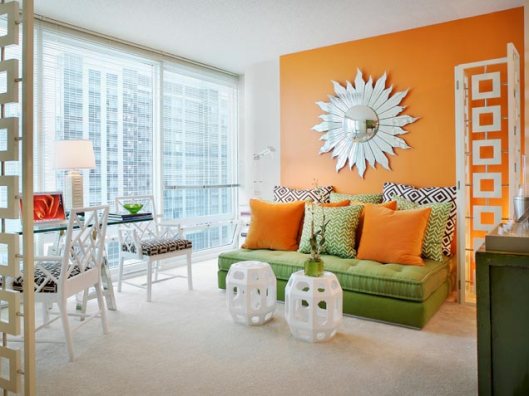
Homeowners use living rooms for a number of different things. Some use the larger rooms for hosting guests and parties, but generally living rooms are used for relaxing. Colors for living rooms should be neutral to help accent furniture, but also light and calming.

Choosing the Right Colors for the Rooms of Your Home
Photo Credit: Digs Digs

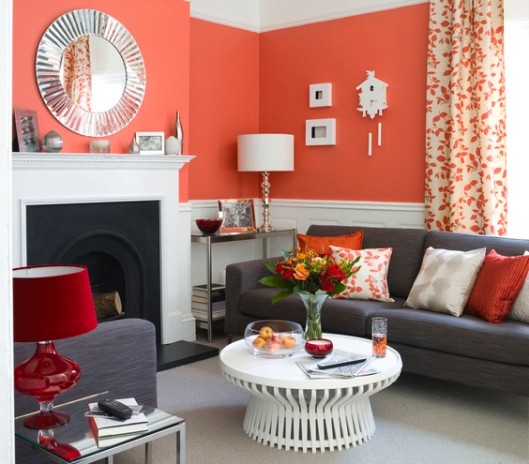
Orange instills feelings of warmth and stability and manages to tone-down a space, allowing people to relax. Red is good for sociable situations, as it provides energy. Light gray is very popular for living rooms right now as it compliments other colors very well and is not overbearing. A primarily gray room with orange accents could provide the perfect tones for a living room.

Choosing the Right Colors for the Rooms of Your Home
Photo Credit: Real Simple

Choosing the Right Colors for the Rooms of Your Home
Photo Credit: Color Buzz

Choosing the Right Colors for the Rooms of Your Home
Photo Credit: Decoist

Kitchens
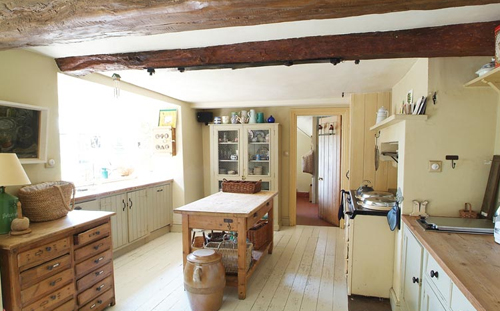
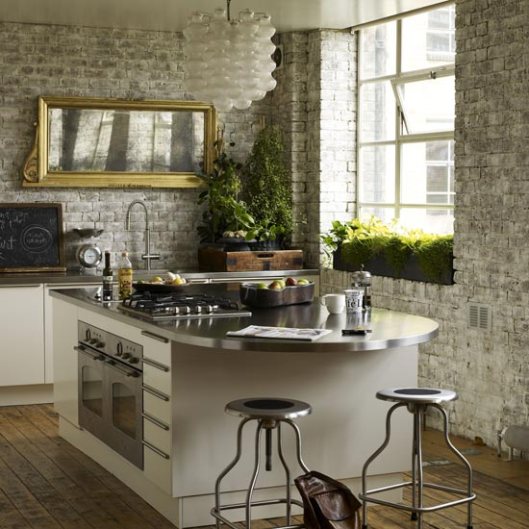
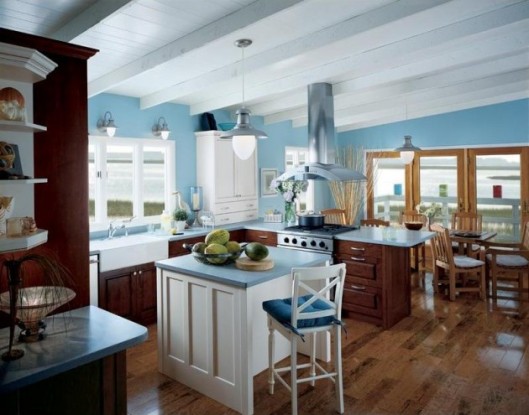
Kitchens are difficult to figure out as they are rarely used for one activity. Modern kitchens are used for cooking, eating, meeting, crafts, and many other activities. However, creativity usually happens in the kitchen, whether it’s from cooking, conversation, or something else. Soft earth tones like whites, creams, and blues, cater to a number of needs and puts people at ease, allowing creative juices to flow. Bright elements like red or orange are good accents as well.

Choosing the Right Colors for the Rooms of Your Home
Photo Credit: Katy Elliott

Choosing the Right Colors for the Rooms of Your Home
Photo Credit: Cottage Modern

Choosing the Right Colors for the Rooms of Your Home
Photo Credit: Aponovich

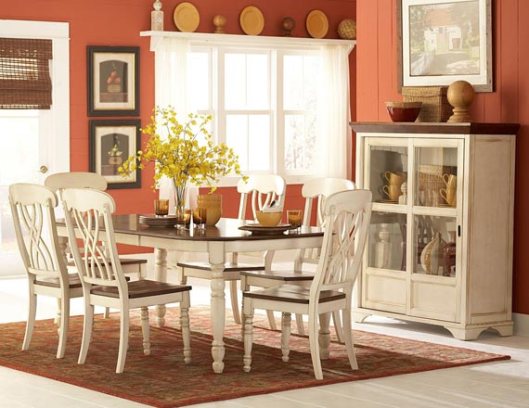
Dining Rooms
Modern dining rooms are rarely used by the average family, and are typically only sat in when guests visit. Therefore, a dining room should encourage energy and liveliness, and red is the best color for this. Too much red can have negative effects though and can promote aggression, so a balance is desired with a softer color.

Choosing the Right Colors for the Rooms of Your Home
Photo Credit: Allrakse

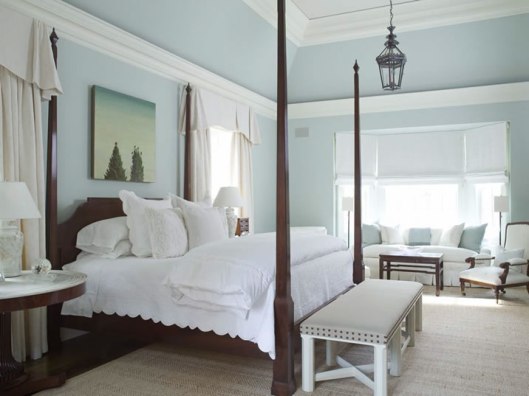
Bedrooms
These rooms should ultimately reflect the individual living in them, but some types of colors serve to help promote calming emotions. Light blues are great for this and people generally feel safer and calmer when surrounded by them. Turning to a dark blue can have negative effects, however, as it can produce sadness in individuals.

Choosing the Right Colors for the Rooms of Your Home
Photo Credit: Weekend Escapades

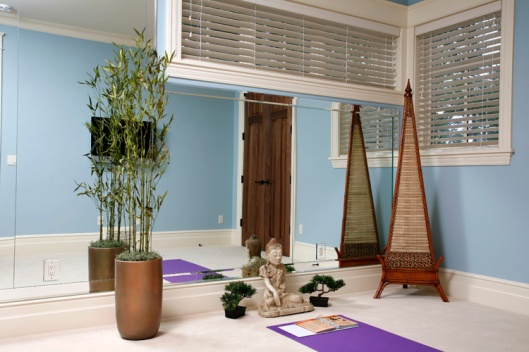
Exercise Spaces
Power lifters and those going for hard workouts will want red highlights throughout their room to inspire energy and controlled aggression, but those looking to jog on an elliptical or relax with yoga will want earthy greens and blues to help calm and extend the workout.

Choosing the Right Colors for the Rooms of Your Home
Photo Credit: A Charmed Yogi

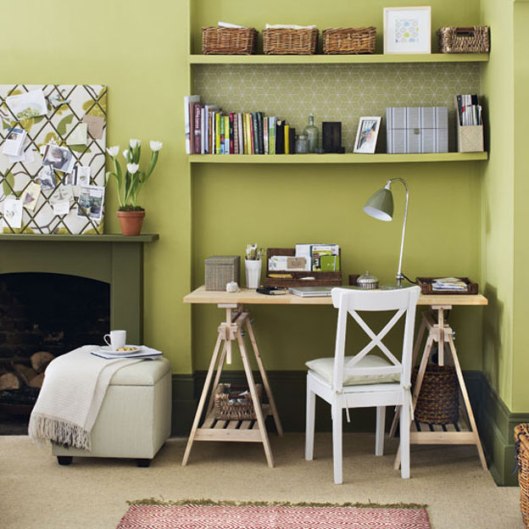
Home Offices
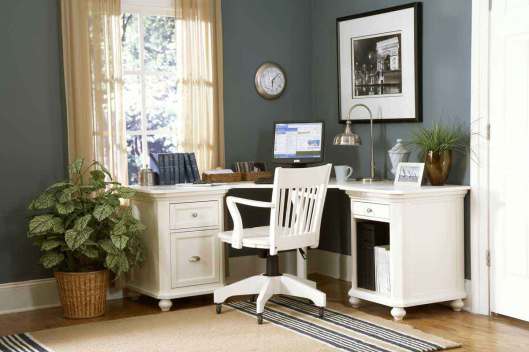
In a room where people need to focus and avoid distraction green is the way to go. This color has been found to promote concentration and productivity and workers. Plus, it is also a soothing color which helps relieves stress.

Choosing the Right Colors for the Rooms of Your Home
Photo Credit: Virtual Vocations

Choosing the Right Colors for the Rooms of Your Home
Photo Credit: Studio Rover

Even if a color has great potential to influence moods in a positive manner it may not be worth it if the color is unpleasing to the residence or causes the room to appear small. Whatever the case, it is worth realizing that color choice is much more important than many people realize.

Lisa Henfield is an exterior designer who spent a few years designing outdoor furniture covers for hotels along Las Vegas. She mostly writes about her design experiences, providing tips on outdoor accessories and furniture for both businesses and the average person. When she isn’t practicing her sewing or writing about the right colors for the outdoor seasons she usually works on her paintings.

Designing Your Great Outdoors

03 Monday Jun 2013

Posted by melissaoconnor in Guest Posts, Janet Majors, The Great Outdoors

≈ Leave a comment

Tags

awning, budget, colors, design, fabrics, gazebo, landscaping, natural sound barrier, outdoor space, outdoors, patio, seating, space, trellis, umbrella, water feature

Whether you live in a house, condo, or an apartment, you probably have some outdoor space. From a lush but boring lawn to a barren balcony, you probably have something. However, knowing how to spruce up that space can be challenging. Especially if you’re limited in terms of actual square footage or money. Here are some tips:

Come up with a plan.
Whenever you simply begin throwing paint around or purchasing furniture and accessories without any thing more than a vague vision in your mind, you run the risk of ending up with a space that embodies the term hodge-podge. This goes for an indoor and an outdoor space. Before you get down to the nitty gritty, take some time to think it through. Come up with a clear image of what you want the space to look like. Do some research into materials, prices, and the like. Having a plan will ensure you get the gorgeous outdoor area you deserve.

When you’re planning, consider what you want to get out of the space.
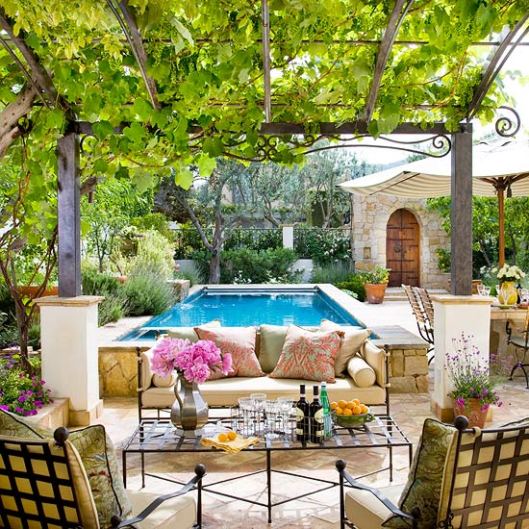
Do you want your outdoor space to be an area for partying the night away or an outdoor retreat for relaxation? Knowing what you want to get out of the space will help you design it properly. For example, if you want to relax rich, comfortable fabrics and materials will be ideal while if you want to entertain you’ll want to make sure to have plenty of seating.

Designing Your Great Outdoors
Photo Credit: Amy Kimball Events

Take into account the elements.
When planning your outdoor space you’ll want to think about how much sun, wind, and water the area is regularly exposed to. If you get a lot of sun you’ll want to make sure all the materials are fade resistant so your space won’t look dull after just a season or two. In addition, you’ll want to find ways to work in shade such as an umbrella, gazebo, awning, or trellis. If you live a rainy area you want to make sure all of the materials you use are mold, mildew, and rust resistant and possibly consider screening in part or all of the space to make it more usable. If you have your fair share of wind you’ll want to make sure your accessories and furniture are weighted down. For example, get cushions that actually tie to the chairs to keep them from blowing around.

Think about the neighborhood.
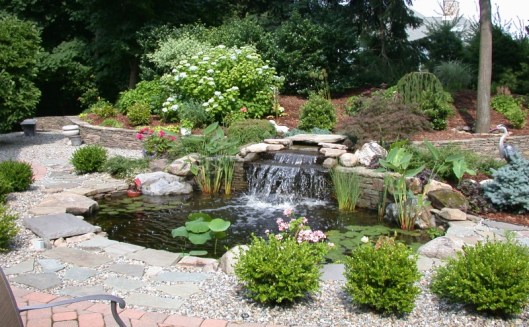
Another important element to consider when designing your outdoor space is the noise level. Do you live next to a busy road? Do you have noisy neighbors? If noise is a concern there are a couple of things you can do. One, use landscaping to act as a natural sound barrier – trees are great for this. Two, install a water feature because the sound of running water will act as white noise and drown out other (less pleasant) sounds.

Designing Your Great Outdoors
Photo Credit: Rocky Mountain Rock and Trucking

Don’t be afraid to get creative.
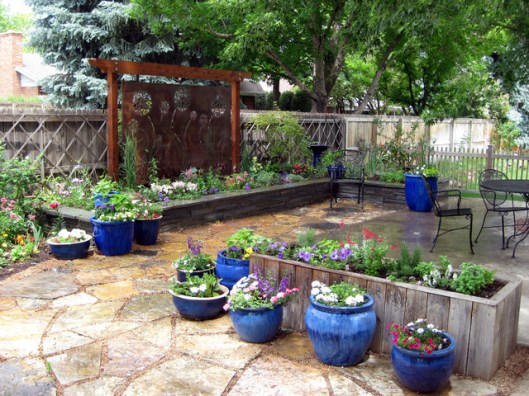
Your outdoor space is an extension of your indoor space and should express your personal tastes. Use colors and textures that you enjoy. Outdoor materials including furniture and area rugs come in a wide variety of patterns and colors. If you can’t find the exact shade your looking for, many materials (ex. wicker) can be painted or spray painted.

Designing Your Great Outdoors
Photo Credit: Houzz

Getting creative is especially important if you’re working on a limited budget, with a small space, or with a rented space. For example, if you rent, you may not have electrical outlets in your outdoor space and because you rent, you may not be permitted to add them. Luckily, there are a variety of lighting fixtures and options that run on batteries alone.

If you are dealing with a small space, you’ll want to get furniture that serves multiple purposes such as an ottoman that can serve as an extra seat or with a lid that flips over to make a coffee table. Furniture pieces with casters are great too because they allow you to move things around to fit different purposes. Casters come in all different styles and colors so don’t worry about them looking too industrial or utilitarian; here are some great caster options. All in all, just remember that when you run into an obstacle, don’t give up – just think outside the box.

Designing Your Great Outdoors
Photo Credit: Decoration Trend

Put natural features to good use.
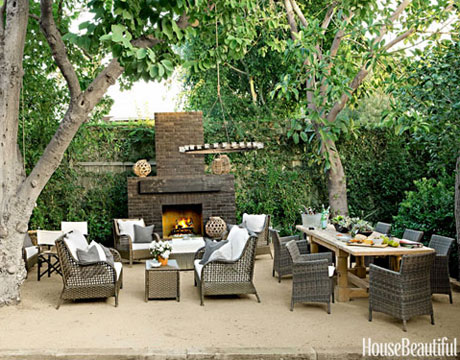
Before you start constructing your outdoor space, take a good look at the natural features the space offers. Sometimes brining in a second (or even third) pair of eyes can help you spot things you’ve overlooked or grown accustomed to. For instance, a hill or raised area can be an excellent place for seating or a gazebo because it offers a good view of the rest of the space. A tree can serve as natural shade or an extended tree branch can be used to hang a chandelier from.

Designing Your Great Outdoors
Photo Credit: House Beautiful

Keep your budget in mind.
Know what your budget is from the beginning. There are things you can do to keep your costs down. For example, buy patio furniture in the off season when stores are offering great clearance deals. In addition, you can do some landscaping (ex. mowing the lawn) yourself. Another idea is to build your outdoor space in stages rather than doing it all in once. For instance, maybe the first season you do some major landscaping, the next you purchase one or two pieces of furniture, and the third season you purchase a few more items.

Written by Janet Majors

The Anatomy of Paint

02 Thursday May 2013

Posted by melissaoconnor in Art & Design, Guest Posts

≈ Leave a comment

Tags

Acrylic paints, art, art on canvas, design, Encaustic paints, fine arts, oil painting, Oil paints, painting, Tempera paints, Watercolor

Though just about everybody plays with watercolors at some point in their childhood, most of us don’t have any idea what we’re dealing with the first time we walk into an art shop as an adult intending to try our hand at the fine arts. Here is a short run down of all the different ways you can put art on canvas, what they are, and what they’re for.

Watercolor
Watercolors are made by simply suspending pigment in water and comprise a medium that has existed on every continent since prehistory. They’re a favorite for kids because they’re very cheap and easy to clean up since they can be thinned or washed out with water. Unfortunately, they’re not very forgiving when you’re actually trying to seriously paint. Watercolors will bleed outward slightly, giving them their distinctive fuzzy texture. Because the paint tends to absorb into the surface fairly quickly it’s difficult to blend colors upon application.
The Anatomy of Paint
Photo Credit: Fondosya

Oil
Oil Painting was invented in Asia during the dark ages, but didn’t make its way onto the European art scene until the 15th century. Oil paints are made by suspending a pigment in oil, occasionally along with a resin to act as a gloss when the paint dries. Oil is special because as far as the painter is concerned it never dries. That is to say it takes several weeks, meaning that the artist has plenty of time to mix and blend colors on the painting surface during and after application. The biggest drawback of this is that the only way to cover up a mistake is to scrape unwanted paint off of the canvas before covering it with fresh paint, because otherwise it will mix together and mess it up.
The Anatomy of Paint
Photo Credit: eHow

Acrylic
Acrylic is the new kid on the block as far as painting goes, having been invented in the 1950s. Acrylic is easy and fun, and comes in a variety of textures, with some looking a little bit like oil or watercolors depending on the type. Unique to acrylic, however, is that it dries very quickly, forming a thin layer of plastic. If you don’t like something you can easily paint a layer over it without any worries about paint mixing. Additionally you can scratch layers with a needle or other sharp implement to expose the layers underneath.
The Anatomy of Paint
Photo Credit: Good Wallpapers

Tempera
Tempera is an egg-based paint that’s been around for several thousand years, dating way back to the Egyptians. It’s made by mixing powdered pigment with egg yolks and water. It dries very quickly and the mixture needs to be constantly adjusted in order to keep it at the right consistency as it thickens on contact with air. Because it’s so difficult to work with and because it spoils quickly it’s not terribly popular.
The Anatomy of Paint
Photo Credit: DC Cifrus

Encaustic
Encaustic painting is a technique that’s also several thousand years old, and is made by mixing pigments into hot wax. It provided artists with a few extra options because it could be altered even after application using heated metal implements, and it could be layered more effectively and more quickly than other old methods. Unfortunately it’s been rendered mostly obsolete by acrylics, and is now a refuge for hipsters and overzealous art nerds.
The Anatomy of Paint
Photo Credit: About.com

{Written by Edward Stuart}

← Older posts
Newer posts →
color in films sound in color art inpsired palettes
art and design the home events and parties weddings real weddings color inspiration film-reviews historic places news and updatesminted


minted.com

Enter your email address to follow this blog and receive notifications of new posts by email.

Archives


martha

Magnolia Rouge

Screen Shot 2014-04-23 at 2.29.10 PM

Etsy

Screen Shot 2014-04-23 at 2.18.10 PM

logo

Screen Shot 2014-04-23 at 2.42.13 PM

P&PBlogHeader

wedding chicks


ruffled

Screen Shot 2014-04-23 at 2.47.49 PM

Screen Shot 2014-04-23 at 2.16.32 PM


lauren-elle-photography

jenlombardo

logo_website

site-logo1

kelly_dekenipp_logo

homelogo

Website Powered by WordPress.com.

Privacy & Cookies: This site uses cookies. By continuing to use this website, you agree to their use.
To find out more, including how to control cookies, see here: Cookie Policy
  • Subscribe Subscribed
    • The Design Inspirationalist
    • Join 1,379 other subscribers
    • Already have a WordPress.com account? Log in now.
    • The Design Inspirationalist
    • Subscribe Subscribed
    • Sign up
    • Log in
    • Report this content
    • View site in Reader
    • Manage subscriptions
    • Collapse this bar
 

Loading Comments...