• About
  • Visit Gray Star Design
  • Minted Collection
  • Design Services
  • Contact

The Design Inspirationalist

~ Inspiring Ideas | Spectacular Creations

The Design Inspirationalist

Category Archives: Historic Places

Historic Series: St. John of Jerusalem Cemetery

18 Wednesday Apr 2012

Posted by melissaoconnor in Historic Places

≈ Leave a comment

Tags

cemetery, church, history, long island, new york, St. John of Jerusalem Cemetery, wantagh

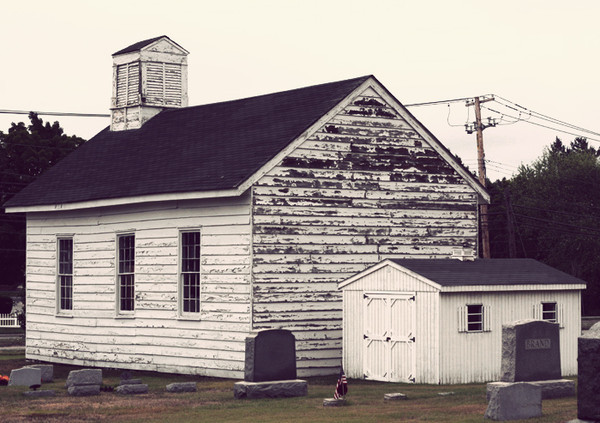
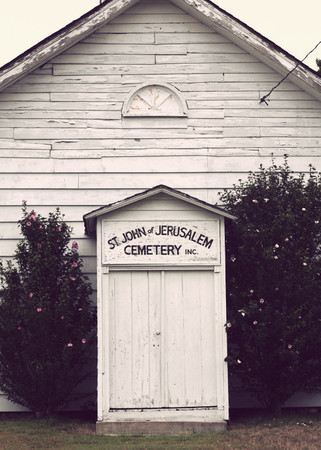
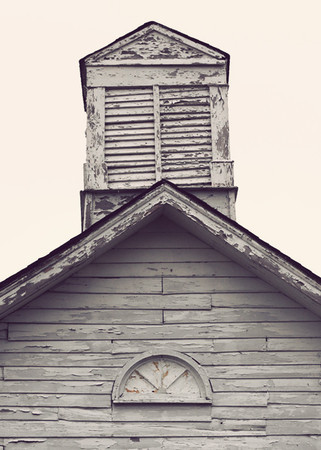
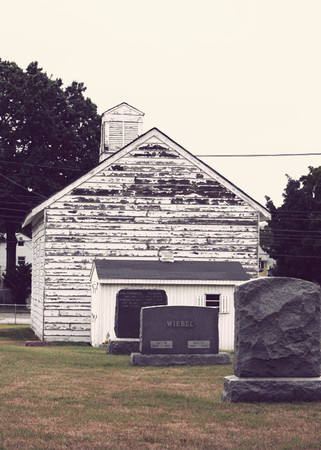
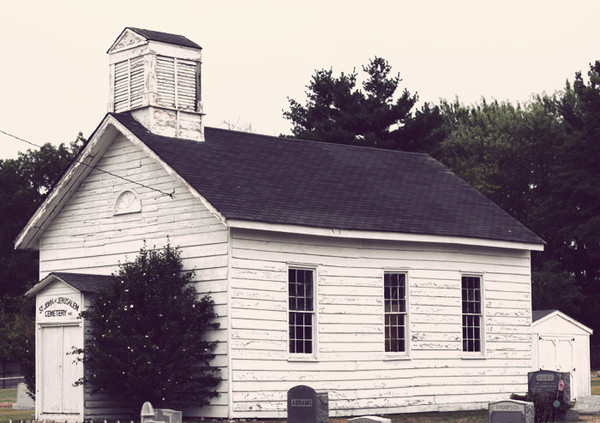
There are numerous historic sites in Wantagh, New York with unforgettable stories and history. That’s the case with the St. John of Jerusalem Cemetery on Wantagh Avenue. The building is very aged, but stands with great pride. The rock foundation and large windows of the cathedral really invites you in, even though it’s borded up.

Historic Series: St. John of Jerusalem Cemetery - Copyright 2012 Melissa O'Connor

In the mid-1800’s, German immigrants came to Jerusalem (before it was called Wantagh) from New York City. They were led by Johann D. Bulling and were all members of the German Methodist Church of America. Once they settled in the area, the need for a German preacher was granted and Rev. George Able was assigned in 1854.

Historic Series: St. John of Jerusalem Cemetery - Copyright 2012 Melissa O'Connor

Up until 1856, services were held in people’s homes. Once the community gave them one acre of land, a church and cemetery was built. The church itself took years to build because of insufficient finances and the Civil War, but by 1862, the cemetery had 40 lots of eight graves, each sold for $5. The first person to be buried was 48-year old Frederick Doscher on September of that year. By 1872, the prices of plots doubled.

Historic Series: St. John of Jerusalem Cemetery - Copyright 2012 Melissa O'Connor

Throughout the years they added different features to the religious ceremonies. For example, they offered to ring the church bell during a burial for an additional 25 cents. Members of the church also agreed that people who were not members needed to show a birth certificate signed by a doctor in order to be buried.

Historic Series: St. John of Jerusalem Cemetery - Copyright 2012 Melissa O'Connor

The newer generations of the church did not want German to be the main language of its services and records. Because of this the mission grew smaller. Its last record was on Aug. 1, 1912 and until 1926 it sat vacant. Soon after, the Lutherans used the building for their services with Pastor Miller of Freeport leading the way. The mission church held its first service on Thanksgiving Day that year.

For 14 years services were held in the church. In 1940, they moved to another location on Hyland Road. Not until 1949 was the church used again, this time by the United Christian Group, who held services there for 20 years.

Historic Series: St. John of Jerusalem Cemetery - Copyright 2012 Melissa O'Connor

Historic Series: St. John of Jerusalem Cemetery - Copyright 2012 Melissa O'Connor

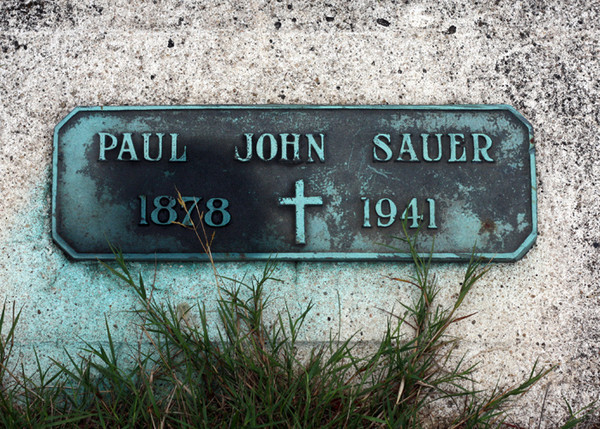
Today the church sits quiet next to the cemetery, which was fenced in during the late 1930’s. Most of the men who are buried there were soldiers from World War I, World War II, the Civil War and Vietnam War.

Historic Series: The Karpen House

06 Friday Apr 2012

Posted by melissaoconnor in Historic Places

≈ 4 Comments

Tags

antque, daniel karpen, historic homes, history, huntington, karpen house, keith hibner, lloyd harbor, long island, morris karpen, new york, vintage

I love historic areas because they hold so many memories. Huntington has so much to explore. On one of my explorations I visited the Karpen House in Lloyd Harbor. Usually, I try not to bother residents but this time I was compelled to knock on the door. When I pulled up on Harbor Hill Drive, the house seemed a little buried within the trees. In order for me to get some good photos, I had to go meet who lived inside.
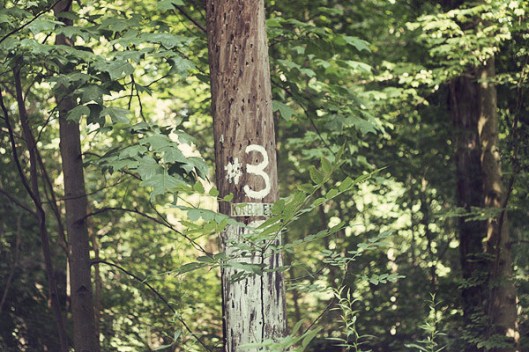
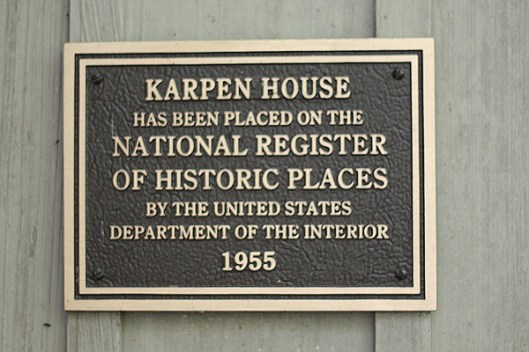
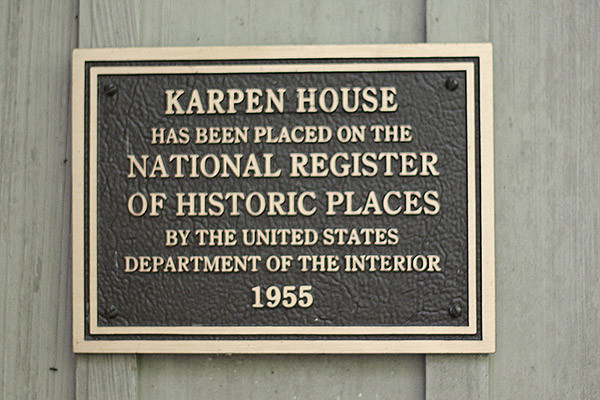
Historic Series: The Karpen House - Copyright 2012 Melissa O'Connor

Historic Series: The Karpen House - Copyright 2012 Melissa O'Connor

Daniel Karpen met me at the door and welcomed me inside to check out the house. He gave me tons of written materials so I had the information I needed. He was also nice enough to give me a tour of the interior and pointed out the historic elements of the home. I was really in awe of some of the original elements that remained and honestly, quite surprised they were in such good shape.

The kitchen was one of my favorite stops because I love vintage appliances. The blue General Electric oven and stove were awesome. The stainless steel sink was also never replaced. The small green house that was attached to the back of the kitchen was adorable. I would love to have one of those!

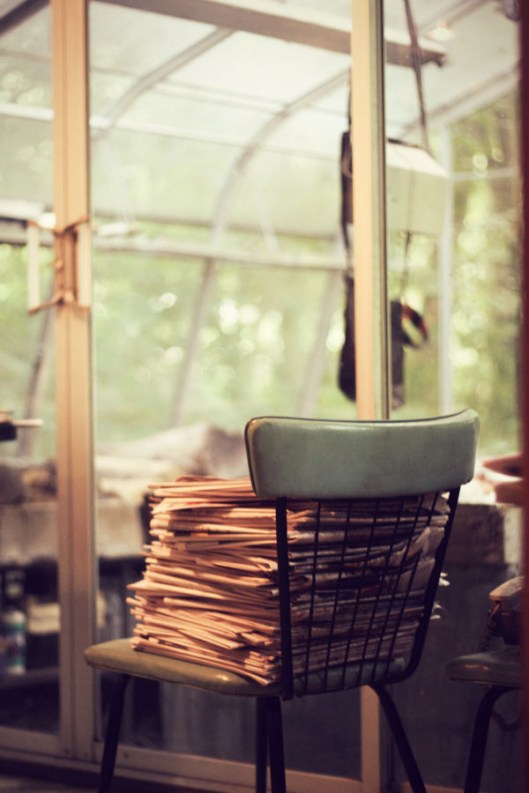
Historic Series: The Karpen House - Copyright 2012 Melissa O'Connor

Historic Series: The Karpen House - Copyright 2012 Melissa O'Connor

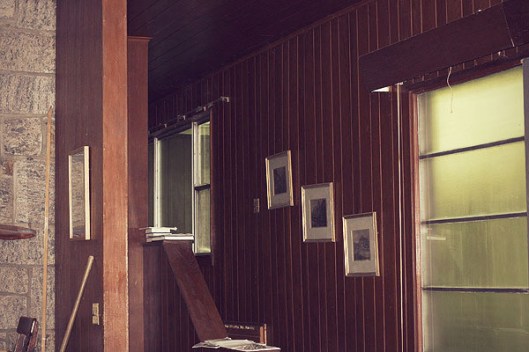
As we continued forward, I was really taken aback by some of the design choices of the architect. Since the house was built in the mid-1950s, I could appreciate the clean lines and subtle modern touches. With all the dark wood furniture and the granite fireplace, the living room held a warm and natural feeling. The original floor had been cork tile, but it was replaced with ceramic in 1961.

Historic Series: The Karpen House - Copyright 2012 Melissa O'Connor

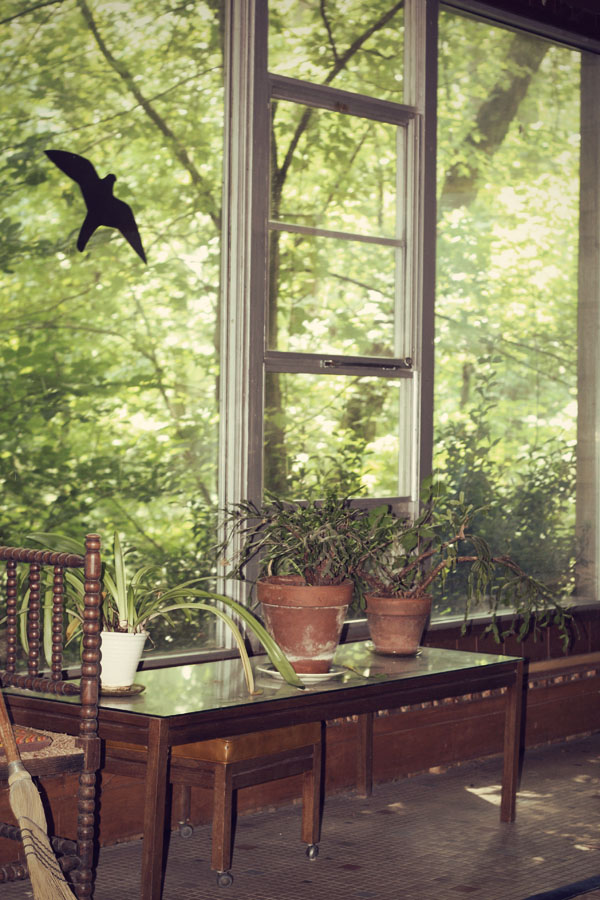
Its best feature? The windows. With an 11-foot ceiling, these huge thermopane beauties allowed nature to literally become part of the house. How awesome is that?

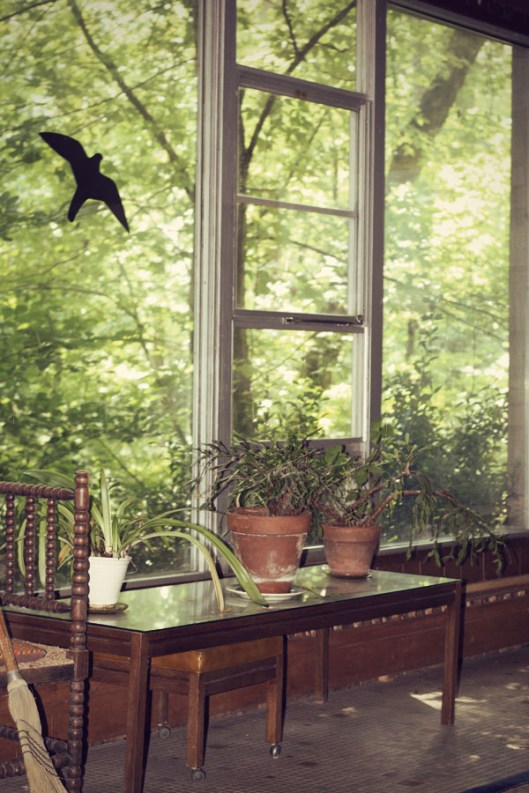
Historic Series: The Karpen House - Copyright 2012 Melissa O'Connor

Historic Series: The Karpen House - Copyright 2012 Melissa O'Connor

Historic Series: The Karpen House - Copyright 2012 Melissa O'Connor

Historic Series: The Karpen House - Copyright 2012 Melissa O'Connor

The closets throughout the house were original as well as the doors and room panelling. The basement was very unique in that it didn’t feel like a basement at all. Who ever heard of a basement with ten-foot ceilings? So unbelievably cool.

Karpen told me his father was claustrophobic so you can understand the need for space. The house also sits on a hill, so when you look out the windows its seems as if you are on the first floor. Because Karpen does woodwork and builds furniture, he has transformed the space into his studio. He has such a big wood collection, you wonder where he gets it all. I also enjoyed seeing his collection of vintage tools.

Historic Series: The Karpen House - Copyright 2012 Melissa O'Connor

Historic Series: The Karpen House - Copyright 2012 Melissa O'Connor

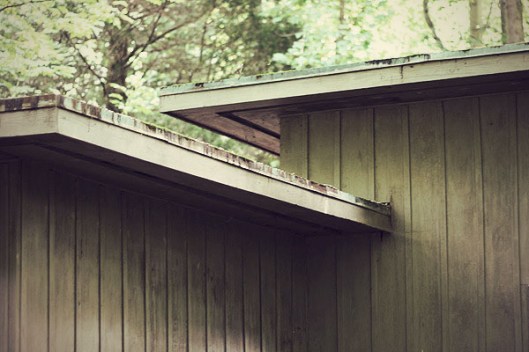
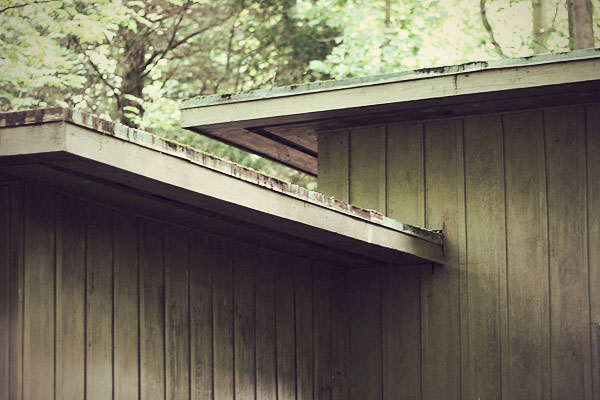
After our little tour of the inside, we walked outside to get some more photos. It was a bit tricky with all the trees but I must say it was quite beautiful. These trees are vital to the home because they give it shade which the house needs because it does not have air conditioning. Built in 1955, the international-style home in Lloyd Harbor is a long, low residence surmounted by a flat roof with overhanging eaves. The roof is also a green roof and covered in moss. Having a flat roof does have its advantages.

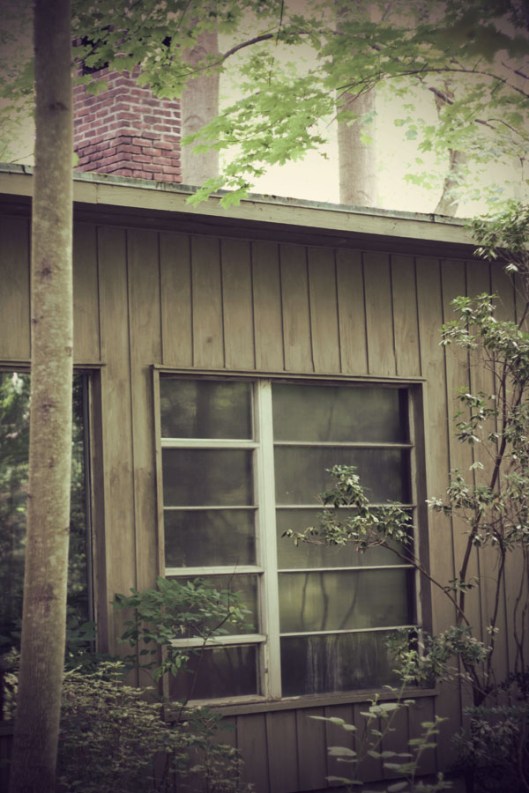
Historic Series: The Karpen House - Copyright 2012 Melissa O'Connor

Historic Series: The Karpen House - Copyright 2012 Melissa O'Connor

Historic Series: The Karpen House - Copyright 2012 Melissa O'Connor

Historic Series: The Karpen House - Copyright 2012 Melissa O'Connor

The Karpen House represents a vernacular interpretation of the Modern style and was added to the National Register of Historic Places in 2006. There also used to be a tree house in the backyard but was taken down in the 1970s due to the growth of the tree. That would have been really cool to see.

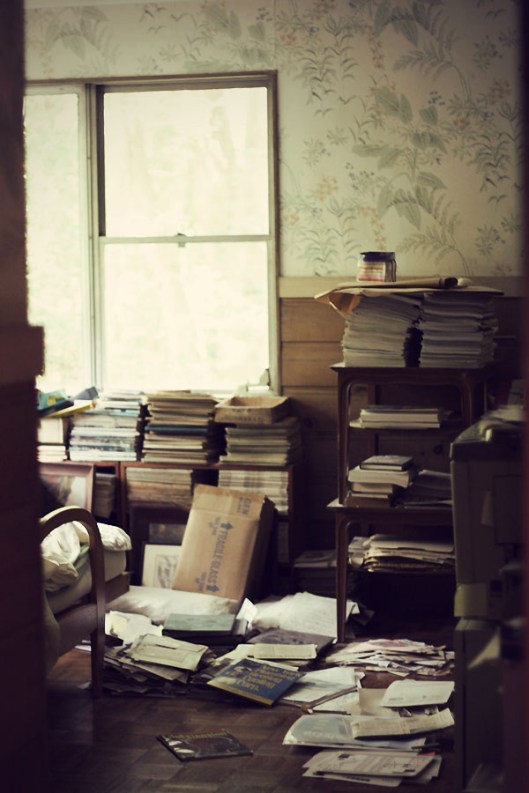
From first glance, the Karpen House might look a little disheveled but there are many treasures that lie within it. Karpen grew up here and now resides in the home which was designed by architect, Keith Hibner and built by his father, Morris. The main inspiration of the house was an Oregon home showcased in the 1951 issue of Architectural Record. It was designed by Pietro Belluschi who is a very well known architect.

Historic Series: The Karpen House - Copyright 2012 Melissa O'Connor

The Karpen family was well established and Morris was very active in politics once he moved to Huntington. He was the chairman of the Suffolk County Liberal Party as well as being a part of the capital budget committee. His main source of income was his steel plant in Farmingdale where he manufactured steel doors and frames, some of which you will see in the home itself. Once he moved to Asheville, N.C., in 1977 the plant was run by his son Seth and business partner Harold Kardeman until 1995 when it was sold. Morris passed away on March 3, 2002 and his daughter Rachel now runs the plant located in Weaverville, N.C.

You see, in all the many houses of Huntington here is one that really helped the world evolve. It housed smart individuals that really made a difference and contributed a good amount of time, effort and knowledge to their community. Not only does the Karpen House exude style and functionality, it continues to tell the story of the family who created it. The fact that it’s still standing today proves to all of us that love is the master of time and with a little TLC and memories by your side you can keep anything alive.

Historic Series: The Jackson Homestead

23 Friday Mar 2012

Posted by melissaoconnor in Historic Places

≈ 1 Comment

Tags

colonial, historic, homes, jackson, jackson homestead, long island, nassau county, new york, wantagh, wantagh ave

The Jackson family played a valuable part in the history of Nassau County, particularly in Wantagh. Robert Jackson came from Connecticut around 1644 and had acquired land in the area and for three centuries it remained in the family.

Historic Series: The Jackson Homestead - Copyright Melissa O'Connor 2012

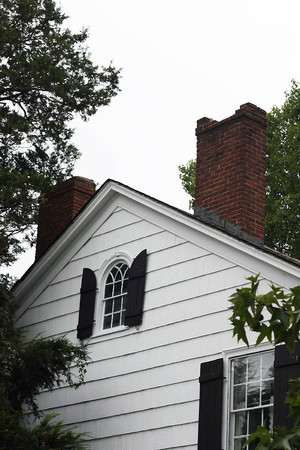
Although many Jackson family members were important figures in the Town of Hempstead they were also farmers. The Jackson homestead, which sits on 1542 Wantagh Ave., was built by Samuel Jackson in the mid 18th century and was the main house on the farm. The home was a one and one-half story structure designed in simple colonial fashion.

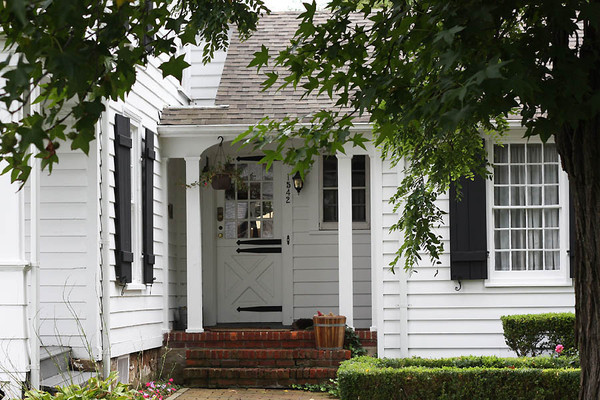
The home features a main central hearth with a room on each side and a sleeping loft. The entrance, facing Island Road, showcases a six-panel door with a five-light transom and three-pane sidelights as well as columns that frame the stairs. Its six-over-six double-hung sash windows are pure Colonial Revival design.

Historic Series: The Jackson Homestead - Copyright Melissa O'Connor 2012{The main structure built by Samuel Jackson in the 18th century}

Historic Series: The Jackson Homestead - Copyright Melissa O'Connor 2012{The entrance of the original structure features a six panel door, a five-light transom and three-pane sidelights}

Historic Series: The Jackson Homestead - Copyright Melissa O'Connor 2012
{The original main entrance}

Historic Series: The Jackson Homestead - Copyright Melissa O'Connor 2012
{A small gothic style window is placed between the main hearth}

About a century later Elbert Jackson, an eighth generation descendant, inherited the property and built a large two story addition to the home on its north side. The one-story clapboard porch is held up by three-square columns and has a flat roof. The door sits between two windows similar to the original structure.

Historic Series: The Jackson Homestead - Copyright Melissa O'Connor 2012{One of the later additions}

The home remained in Elbert’s name until 1884 when he passed away. Since then the property was no longer within the Jackson family. The remaining wing extensions on the north and west side of the home were added later but at different times. They both have a gable roof and are a smaller in size.

Historic Series: The Jackson Homestead - Copyright Melissa O'Connor 2012{The two-story addition built by Elbert Jackson in the 19th century}

The L-shaped home in its entirety clearly represents the Greek Revival style while keeping with the colonial aesthetic. Its original construction still has the stone and brick foundation as well as 12 inch wood shingles showing the traditional nailing pattern of that period. Although it has gone through many additions, the design is cohesive and true to its original style.

This landmark is a great example of how modern developments inspire domestic life. The home has stood the test of time and has proven its importance through its owners. The Jackson family homestead is one of the few historic homes of its kind still standing today. With Wantagh keeping this homestead’s spirit alive we can appreciate it for years to come.

Historic Series – The Rogers House

20 Tuesday Mar 2012

Posted by melissaoconnor in Historic Places

≈ 1 Comment

Tags

architecture, colonial, frieze, greek revival, historic, homes, houses, huntington, new york, red, rogers house, saltbox

Historic homes have always been a love of mine. They can be found all over but I have had the chance to explore a few towns in New York for a column I used to have for Patch and I wanted to share them with my new readers. These will be part of my new Historic Series and I am very excited about it.

I have done a great deal of research for most of these homes as well as photograph them and it was fun while it lasted. The towns are Huntington, Bellmore, Wantagh and Seaford and they all have hidden gems worth seeing. Although some are not as hidden as others, they are still interesting to say the least.

I am hoping this series will inspire all of you to take a step back and appreciate the past. Sometimes history can give you a new outlook for the future. So enjoy the historic places I have explored and grab any inspiration you can. First up, The Rogers House. Enjoy!

Historic Series: The Rogers House - Copyright Melissa O'Connor 2012

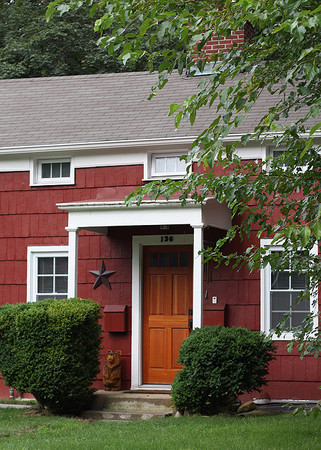
There are many historic homes in Huntington, all easily identified by their style and design. The Rogers House is one of those homes. Located at 136 Spring Road, this red-shingled home was built in 1820 and is a significant example of settlement period architecture.

Since its construction, the home has had about seven owners but the building is named after its second 1836 owner, Rogers, because the first one is not known.  Its saltbox design is composed of a five-bay, center hall plan and sits on a three-quarter acre lot.

Historic Series: The Rogers House - Copyright Melissa O'Connor 2012

The front entrance has a door with simple molded surround and a small covered porch.  There are five original three-pane windows along the top of the home (frieze) and a side entrance has a roofed porch with square columns. There is also a small shed like structure attached to the left side of the house.  The original nine-over-six double hung windows were replaced in the early twentieth century.

Historic Series: The Rogers House - Copyright Melissa O'Connor 2012

This is one of few homes that represent the five-bay center-entrance plan in Huntington that remains somewhat unaltered.  It was built as a single residence and includes numerous details of the Greek Revival style.  These would be the frieze with three-pane windows, the corner pilasters and its main entrance surround.

Most of the larger homes built in the late 19th Century have been demolished or had many alterations. The Rogers home, along with the Stewart and Funnel Houses, are surviving examples of the period that show a high level of craftsmanship, design and historical value.

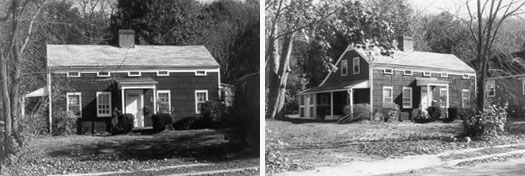
{Here is the Rogers House in 1984}
Historic Series - The Rogers House

Newer posts →
color in films sound in color art inpsired palettes
art and design the home events and parties weddings real weddings color inspiration film-reviews historic places news and updatesminted


minted.com

Enter your email address to follow this blog and receive notifications of new posts by email.

Archives


martha

Magnolia Rouge

Screen Shot 2014-04-23 at 2.29.10 PM

Etsy

Screen Shot 2014-04-23 at 2.18.10 PM

logo

Screen Shot 2014-04-23 at 2.42.13 PM

P&PBlogHeader

wedding chicks


ruffled

Screen Shot 2014-04-23 at 2.47.49 PM

Screen Shot 2014-04-23 at 2.16.32 PM


lauren-elle-photography

jenlombardo

logo_website

site-logo1

kelly_dekenipp_logo

homelogo

Website Powered by WordPress.com.

Privacy & Cookies: This site uses cookies. By continuing to use this website, you agree to their use.
To find out more, including how to control cookies, see here: Cookie Policy
  • Subscribe Subscribed
    • The Design Inspirationalist
    • Join 1,379 other subscribers
    • Already have a WordPress.com account? Log in now.
    • The Design Inspirationalist
    • Subscribe Subscribed
    • Sign up
    • Log in
    • Report this content
    • View site in Reader
    • Manage subscriptions
    • Collapse this bar
 

Loading Comments...