Repurposing Canvas Art

Tags

, , , , , , , , , ,

The economy is down and our bank accounts are deflated, but that doesn’t mean we have to go without great art. The major difference is that we can’t afford supporting good artists to get it. Obviously that’s pretty harsh since we should want to promote good art, but if you can’t afford it then that’s that. Instead, here are a couple of ways to make bad art good or to find good art for cheap.

Enhancement
There are few better feelings than walking into a thrift shop and finding a great framed piece of canvas that you already have a plan for. These bargain basement values will often set you back little more than $5. I like to take the content in these frames and use that as a jumping off point, creatively. For instance, I’ve often seen framed art that has a nautical theme to it, be it an ocean landscape or maybe a lighthouse safely guiding ships in with a beacon of light. Take those boring images and use some acrylic paint to add a sea monster ravaging some fishermen, a dragon terrorizing a village, or an alien space ship hovering above the beach. The problem with a lot of this cheap art isn’t that it’s particularly “bad” so much as that it’s boring. If you’ve got the necessary painting skills (or not if that’s how you roll) you can take cheap generic stuff and make it your own.

Purposeful Ruination
This is exactly the same thing as the above category, except that it involves using prints of extremely good but overplayed pieces that just about anyone is liable to recognize like this awesome blog showing a variety of altered versions of Van Gogh’s “Starry Night”.

Guest Post: Repurposing Canvas Art
Photo Credit: Popped Culture

Stencils
Yes I know, stencils are for amateurs, if you’re that awesome you can use a paintbrush. For those of us who are awful at typographical things, we will cheat. Hip boutique stores sell framed art like this for far more than it’s worth, but you’re smarter than that. You’re savvy. Take a forest landscape and stencil “Vintage Solar Cells”, or “Carbon-Emission Free Energy before it was cool” across it. If you’re not into the hipster thing, stencil something inspirational over the classic evergreens and mountain lake as a pick me up for a rainy day.

Yard Sales
This isn’t so much repurposing as it is simple reuse. If art modification makes your skin crawl then yard sales are for you. The fact is that a lot of people can’t tell the difference between good and bad art. That means some people overprice bad art, but it also means heavily underpriced good art. If you go around every weekend and look through local yard sales you will absolutely find some priceless stuff at absurdly low prices all because someone didn’t know or care that grandma was an art aficionado.

{Edward Stuart wrote this on behalf of canvasgalleryart.com.}

Guest Post: Choosing Furniture for Public Areas

Tags

, , , , , , ,

Commercial companies offer a complete consulting activity to help choose furniture for public spaces. This allows counseling from the interior design stage to the complete solution of furniture in order to define opportunities, styles and details.

The customer is supported step by step and the final result is a customized furniture made and installed by the company. This work may involve an architect, especially for the creation of limited series. The company focuses on major projects such as hotels, offices, houses, bars, restaurants, chain stores. The compositions of different furnishings depend on the needs of the place in which they are placed.

There is always a high quality of materials, ranging from wood to synthetic fibers and metals with customizations agreed by the customer and the company. In the images below, we can see a couple of realizations of contract furniture, different styles that preserve their own elegance.

In hotel receptions, for example, the furniture is often placed in functional and confined spaces, in order to create open spaces that don’t block the passageway. In the reception there is always built-in furniture just behind the desk where there are the receptionists. It is composed by small compartments to hold the different keys of the rooms that host the customers.

Guest Post: Choosing Furniture for Public Areas

In the lobby there may be big sofas or little armchairs together with tables and other facilities. It’s important to keep in mind that this area welcomes guests, so we should make it more comfortable for all potential customers too. We can see some examples in this hotel interior design website.

Guest Post: Choosing Furniture for Public Areas

There are many possibilities when choosing furniture for public spaces. It all depends on the defined style and the potential target, but they must blend harmoniously with the environment and be always warm and friendly. Studied geometries are designed to lead the eye towards background symmetry. Horizons of freedom open a unique style where simplicity is synonymous with beauty.

{Fabio Mele is an Italian writer with passion for interior design.}

Historic Series: Prime House and Octagon House

Tags

, , , , , , , , , ,

One of the prominent families in the history of Huntington were the Primes. Ezra C. Prime, son of Ebenezer Prime II, played an important part in the town’s industrial history with the business of his thimble factory. He returned from New York City in the 1840s where he owned a silver and jewelry business. Upon his arrival, he built his shop on Main Street and soon after moved the location across the street.

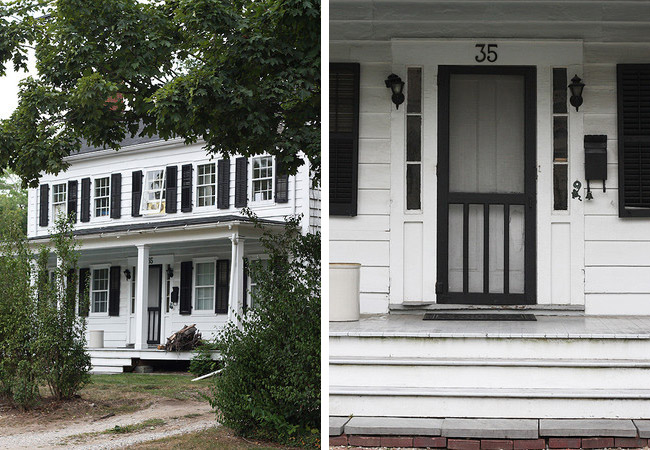
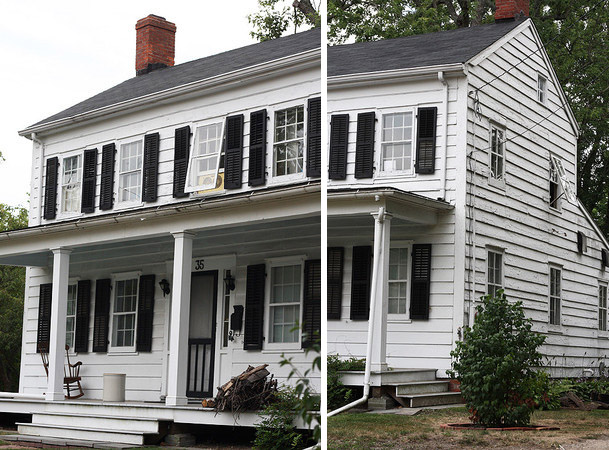
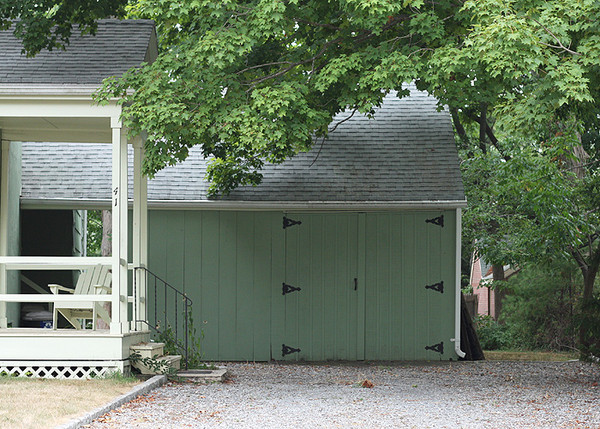
By 1860, Prime owned a significant amount of land from both sides of Main Street. His original house on Prime Avenue, built in 1855, sits across from Heckscher Park where Prime built his dam. The clapboard home is two stories high with a low sloped roof in the back. The rooms were fairly large and inside the home there was a common hallway with an apartment on each side.

Historic Series: Prime House and Octagon House - Copyright 2012 Melissa O'Connor

Historic Series: Prime House and Octagon House

The back of the home included slave quarters so it was used as housing for workers as well and is the only example of this type of residence. Its design showcases six-over-six sash windows and sidelights around the door. In 1920, it was converted into a single-family home and cellar fireplaces were added in 1951. All the original moldings, hardware and door are still in tact as well as the fireplaces and oven in the basement.

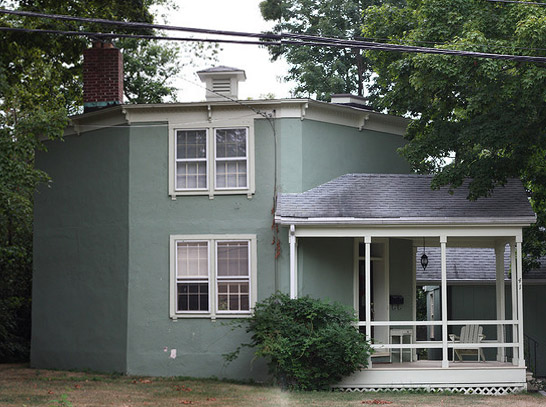
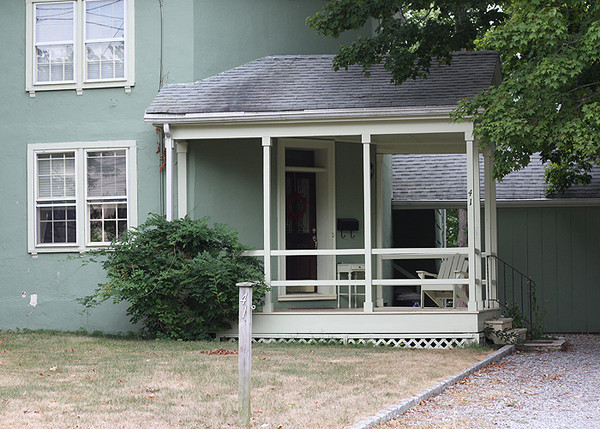
In 1859, Prime built the octagon house next door. No one knows for sure if it was housing for his employees or just another home for his family but it was lived in until the 1920s. The home was a two-story building with a stucco exterior and hip-roofed cupola. These were built to help with ventilation. And its front porch is a site to see.

Historic Series: Prime House and Octagon House - Copyright 2012 Melissa O'Connor

Historic Series: Prime House and Octagon House - Copyright 2012 Melissa O'Connor

The house also showcases a bracketed cornice with subtle detail work that surrounds the top of the house. Think of this as outside molding. It gives the home a little style to play off the hard stucco look. The home’s walls are also 18 inches thick. Here is another beautiful building that is the only one of its kind in the area.

Historic Series: Prime House and Octagon House - Copyright 2012 Melissa O'Connor

Besides being smart and ambitious Ezra Prime was a creative man as well. He has definitely left his mark on Huntington and, like his homes, has created a history that will always stand strong and never be forgotten.

Guest Post: How to Part with Clutter

Tags

, , , , , , , ,

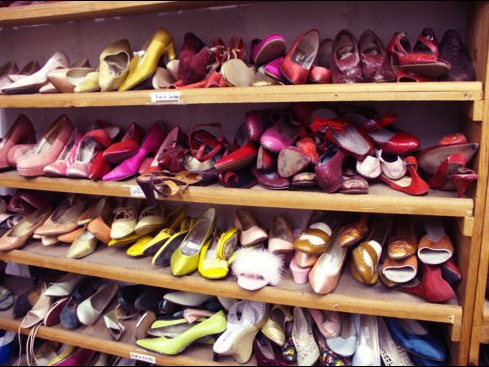
You’d be surprised how many people have a really hard time parting with clutter. What I mean by clutter are old clothes, old books and magazines, broken-down furniture, hardly functioning appliances, rusty dishes, worn-out carpet rugs, etc.

There are two types of people who can’t part with clutter:
1) Those who keep old stuff but also buy new things, and have a really hard time finding room for everything.
2) Those whose frugality borders with stinginess and keep repairing, sewing, gluing, stitching and painting old stuff, so they wouldn’t have to buy anything new.

Recognizing you have a problem is the first step to making your life easier. In order to bring yourself to a place where you’ll feel good about parting with clutter, you’ll need to sit down and think about this problem seriously. Admit to yourself that you don’t really need most of the things lying around the house and making it impossible to tidy up completely. Realize that these are just material things that should not have any emotional significance to you – at least most of these things. They are replaceable and SHOULD be replaced every once in a while.

Of course, this is not to say that you should be one of those people who go out and buy a new appliance every two months. The planet is polluted enough already and we should all learn not to waste stuff. So how do we make a distinction between wasting things, and parting with clutter at the right time?

Guest Post: How to Part with Clutter
Photo Credit: Sane Spaces

Hints That Help You Recognize Unnecessary Items

  • Clothes you haven’t worn for over a year
  • Appliances that break down every other time you use them
  • Dishes that burn food
  • Furniture that looks run down, peels away, is uncomfortable to sit or sleep in
  • Rugs that look dirty even after washing them
  • Books and magazines that you don’t absolutely love

Guest Post: How to Part with Clutter
Photo Credit: Audrey Thompson

Once you’ve realized you’ll be better off without things you’re either not using, or you’re better off not using them, you can do several useful things with them:

1. Donate clothes to charity.
2. Find out which stores accept old/broken down appliances, and they’ll maybe give you a discount on new items.
3. Books and magazines can be sold on ebay or any similar website.
4. If you or anyone you know have a summer house where you don’t spend much time and aesthetics are not of importance, any old furniture, dishes, rugs etc. could do.
5. Throw away items that no one needs without a moment’s hesitation.

Now that you’ve cleared away all that clutter, your house and wardrobe are ready for new, functional things. Don’t over-buy or buy hastily. The point is not only to make your house a place you can breathe in and move about easily, but also to learn how to spend money wisely, on things you actually need.

Don’t buy a book the moment you feel like reading it; try borrowing it from a library or a friend. Think carefully about what you will really need and use in the kitchen. As far as clothes go, invest in good boots, jackets and winter coats, but don’t pay too much money for blouses, pants and skirts that you’ll get tired of quickly. Recycle all that you can, and feel good about moving on from old stuff.

Guest Post: How to Part with Clutter
Photo Credit: Ken Lauher

{Allison Moody writes about parting with clutter from her experience. She works much better in a tidy space, and she enjoys writing and reading about useful tips. Allison is a freelance ghostwriter and currently she’s working on promoting her new FREE online tool, Labeley. She can be reached at allison.moody@labeley.com.}