• About
  • Visit Gray Star Design
  • Minted Collection
  • Design Services
  • Contact

The Design Inspirationalist

~ Inspiring Ideas | Spectacular Creations

The Design Inspirationalist

Tag Archives: history

Historic Series: Seaford Historical Museum

06 Monday Aug 2012

Posted by melissaoconnor in Historic Places

≈ 1 Comment

Tags

community, historic, history, jackson ave, long island, museum, new york, schoolhouse, seaford, seaford fire department, seaford historical society, seaford new york, waverly ave

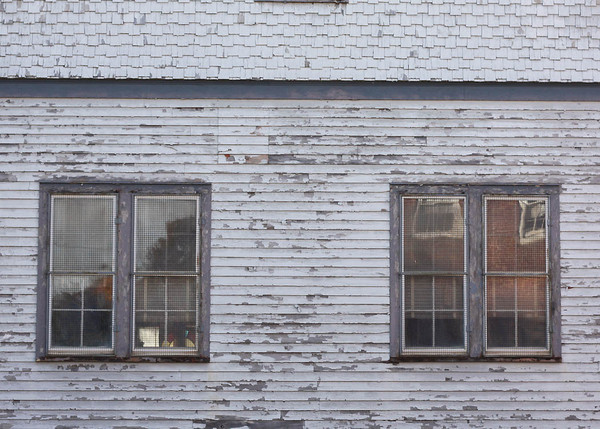
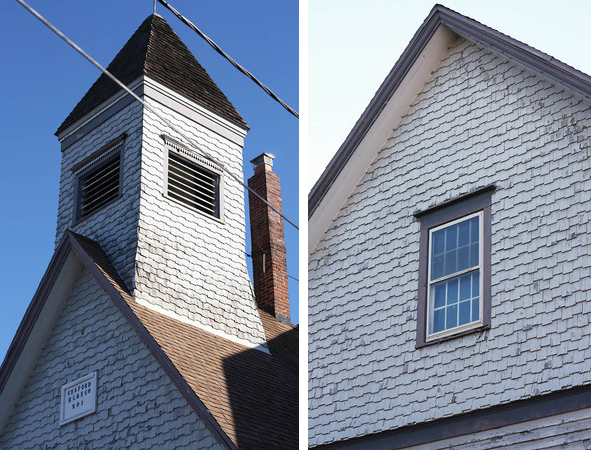
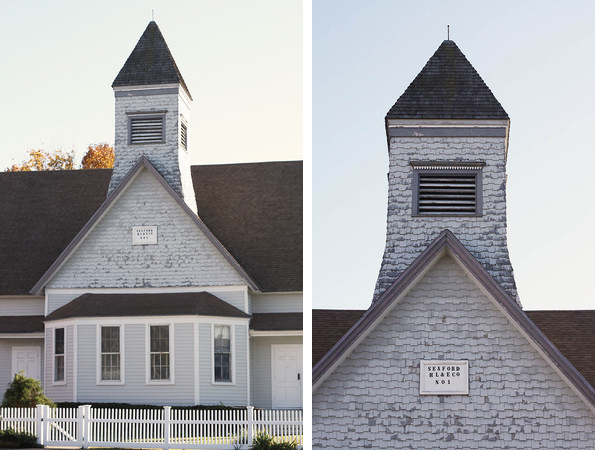
Located on Waverly Avenue, the Seaford Historical Museum is the community’s treasured time capsule. It is the home of Seaford memorabilia from its early days as a farming community and a true celebration of the antiquity of the area.

Historic Series: Seaford Historical Museum - Copyright 2012 Melissa O'Connor

Back in 1893, Seaford had about 500 residents. At this time there were already two schoolhouses for the children in the union free district. The need for more space pushed the community to vote for a budget of $3500 to build a new school, which was originally constructed at the corner of Jackson and Waverly Avenue.

Historic Series: Seaford Historical Museum - Copyright 2012 Melissa O'Connor

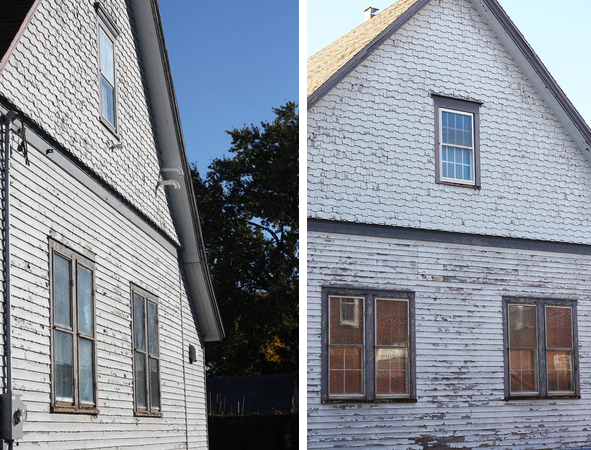
In 1917, due to the increase of students, the school board decided the district needed a bigger schoolhouse. The present one was moved a block away and renamed the Seaford Fire Department headquarters in 1921 and the new Jackson Avenue school opened. On July 4, 1976 it was chosen to be the Seaford Historical Museum in honor of the nations bicentennial.

Historic Series: Seaford Historical Museum - Copyright 2012 Melissa O'Connor


Historic Series: Seaford Historical Museum - Copyright 2012 Melissa O'Connor

Today the schoolhouse serves the community as a center of knowledge where one can learn about the history of Seaford. It is is a great place to attain information about the town and the schoolhouse itself. The Seaford Historical Society continues to take donations for the restoration of the building as well as encouraging residents to become members.

Historic Series: Seaford Historical Museum - Copyright 2012 Melissa O'Connor

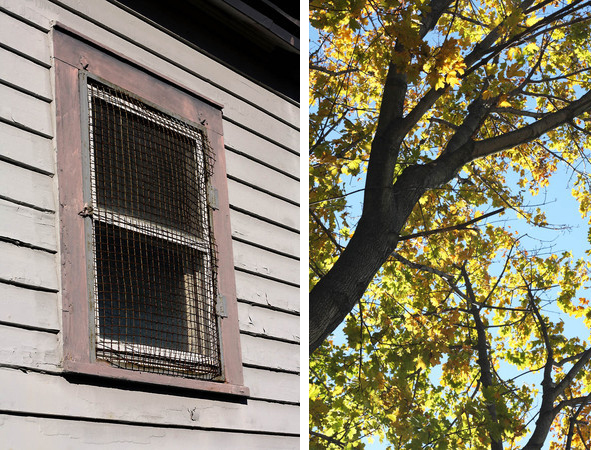
Support Seaford history and help the museum last for years to come. Not only is it a reflection of the future but a treasure chest of historical gifts. The building is a beautiful example of 19th century design and continues to carry the memories of lessons learned and future dreams.

Historic Series: Mount Misery

28 Thursday Jun 2012

Posted by melissaoconnor in Historic Places

≈ Leave a comment

Tags

driftwood day camp, forest, ghost stories, ghosts, haunted, haunted places, history, huntington, leaves, long island, moss, mount misery, nature, new york, park, stories, tales, trees

Long Island certainly has its history and with this comes a number of ghost stories.  Being an explorer I have always been interested in haunted places. Having a love for photography allows me to capture these places and keep them alive. They either get torn down, locked up, or they are left alone. That is where people like me come in.

Exploring the depths of history I took a trip to Huntington’s own Mount Misery. Remembering my past experience with the Mount I was very eager to go back. Being only 16 years old I was freaked out as some friends and I drove through the area. Even though I was in the car with the people I trusted I will admit it was one scary night.
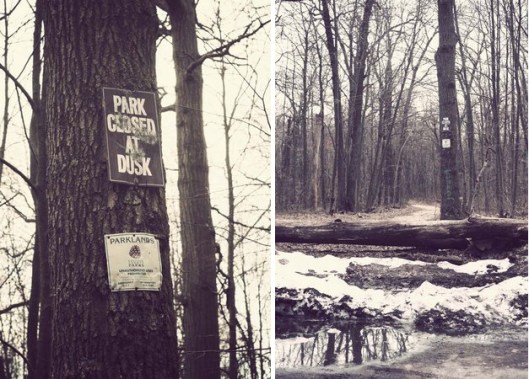
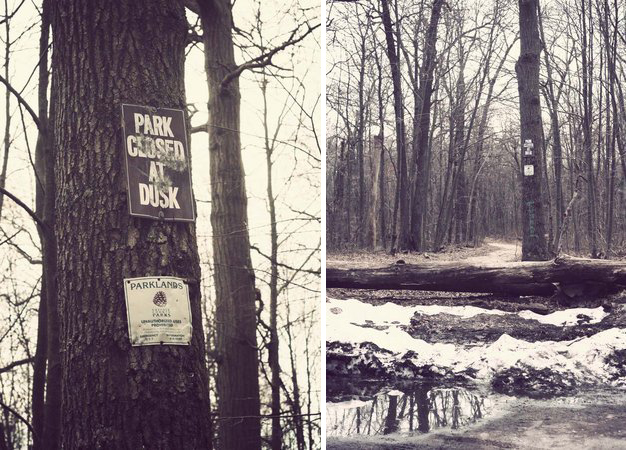
Historic Series: Mount Misery - Copyright 2012 Melissa O'ConnorThe north side entrance

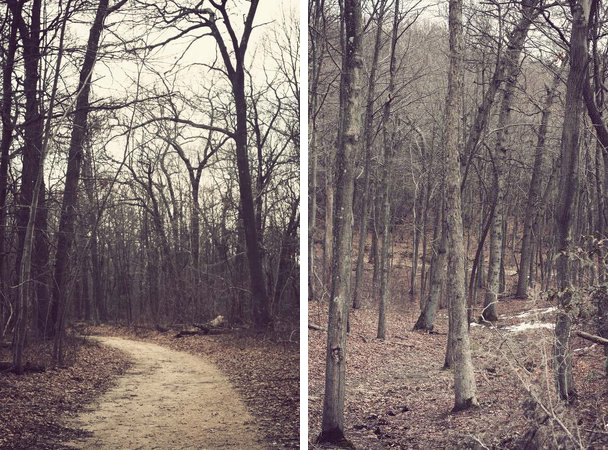
Located within the West Hills County Park, Mount Misery is the highest peak of Long Island at 400 feet. It can be accessed by taking the Walt Whitman Trail, named for the famous poet who was born nearby and spent many years wandering in the area. Of the five original Native American tribes that settled in the area some had believed negative forces took over the land. Not many explored the area but the ones who did often found dead and mutilated animals.
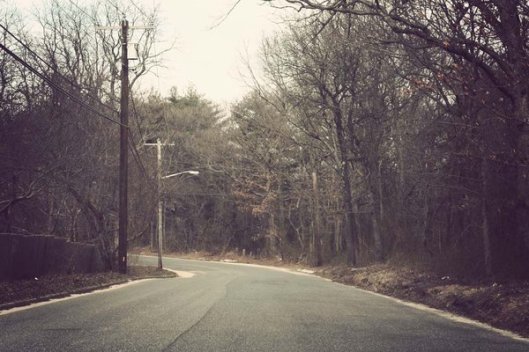
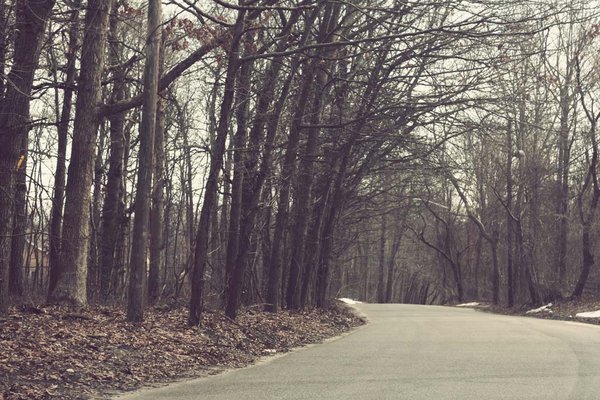
Historic Series: Mount Misery - Copyright 2012 Melissa O'ConnorThe south side of Mount Misery

Historic Series: Mount Misery - Copyright 2012 Melissa O'ConnorThe south side of Mount Misery

Because of its location the land was unsuccessful at growing any kind of crops. This resulted in many people settling in the surrounding areas sparing the Mount the human contact that could have given it life. When the land was purchased from the Indians they warned the settlers about the evil spirits that called Mount Misery home. There were also stories of strange lights seen in the sky and a creature that roamed the hills.  The Indians asked that the new owners of the land stay away.
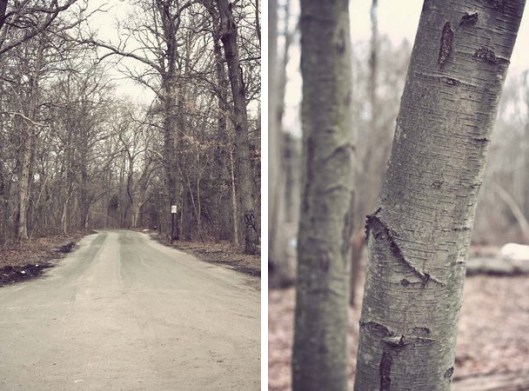
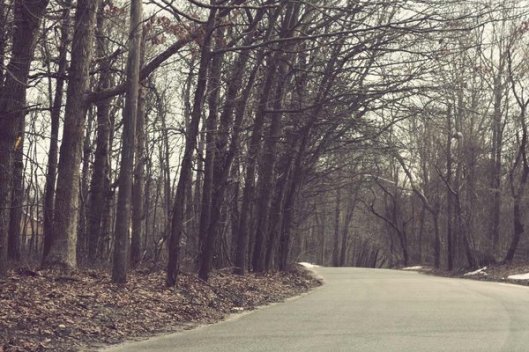
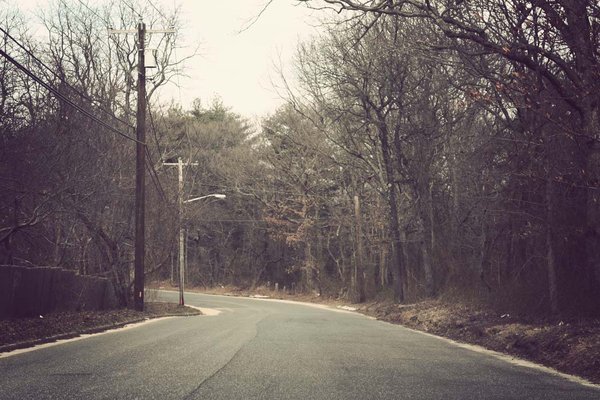
Historic Series: Mount Misery - Copyright 2012 Melissa O'ConnorLeft: Mount Misery Road

Historic Series: Mount Misery - Copyright 2012 Melissa O'Connor

Today Mount Misery Road can be found off Old Country Road and Highhold Drive. It’s separated by the Northern State Parkway so unless you travel on foot when the road ends you have to enter on either side. For my visit back in 2010, I decided to explore the north side first. As I came to the end of the road I was greeted by two tree trunks stacked on the ground. Was this a sign telling people to stay away, an act of nature or simply a manmade barricade? I just stood there with my camera, took a photo and moved forward. I entered the woods to the right because it seemed the only way possible. To the left was a driveway that led to someone’s home which I found odd.  Having a house out in the middle of Mount Misery? Interesting.
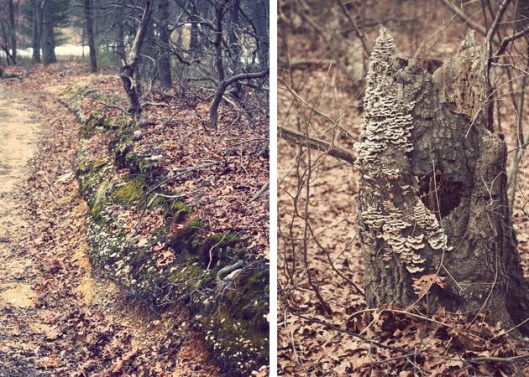
Historic Series: Mount Misery - Copyright 2012 Melissa O'Connor

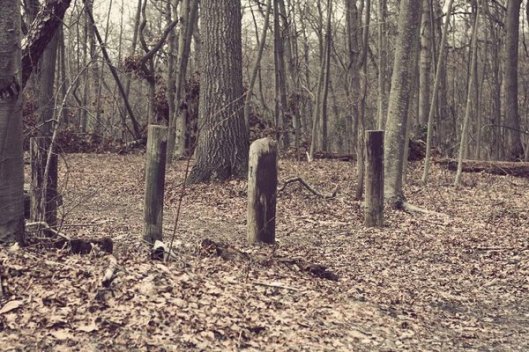
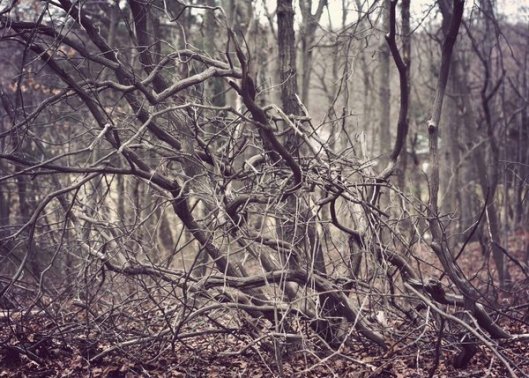
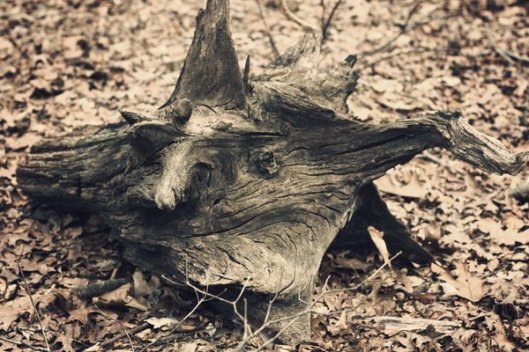
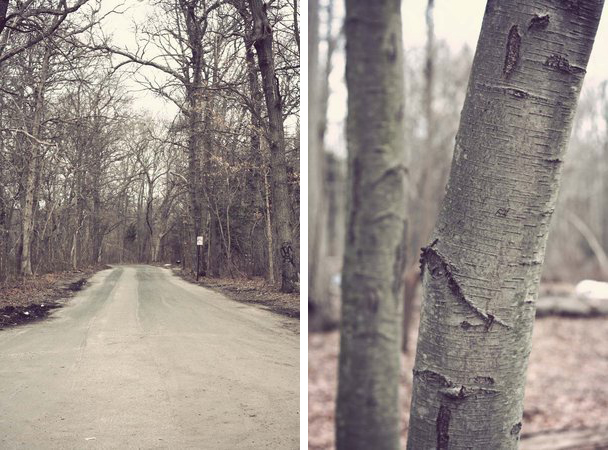
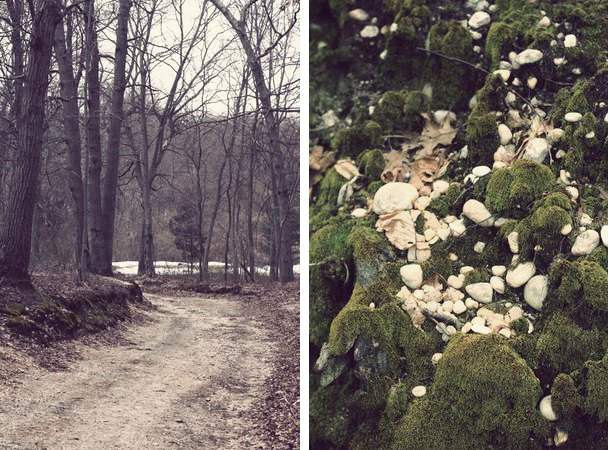
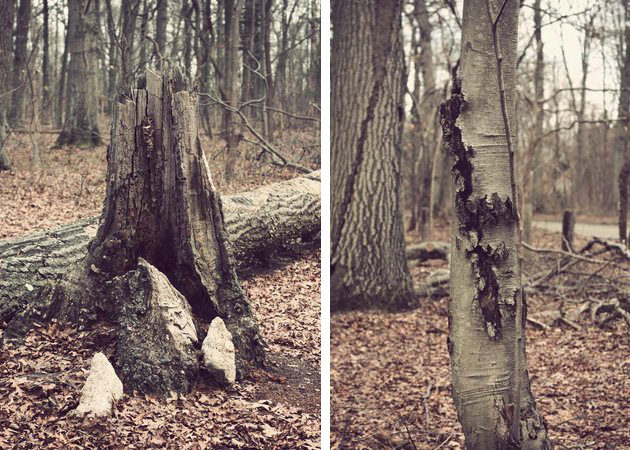
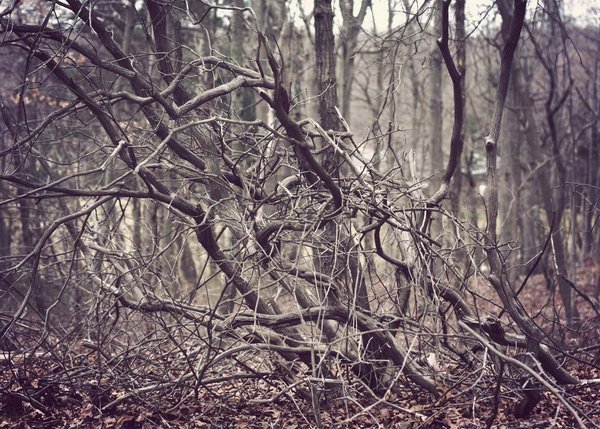
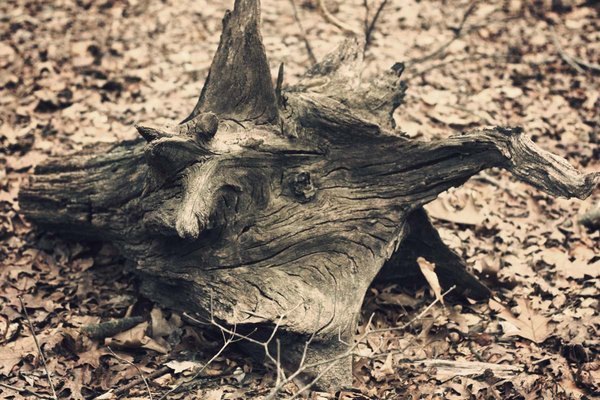
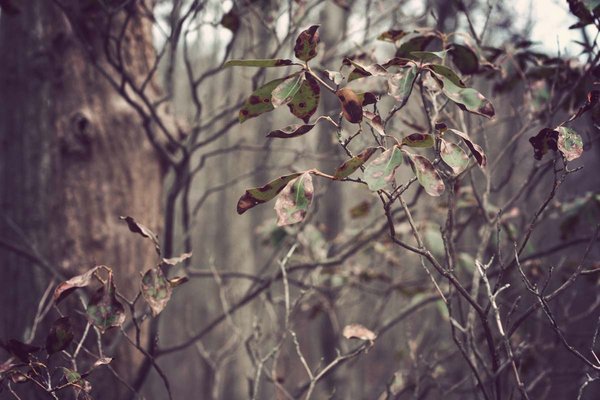
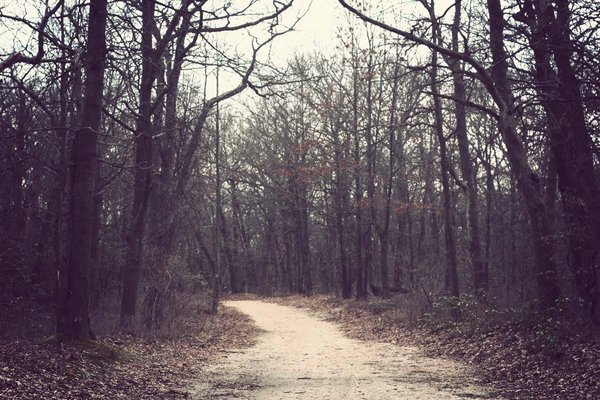
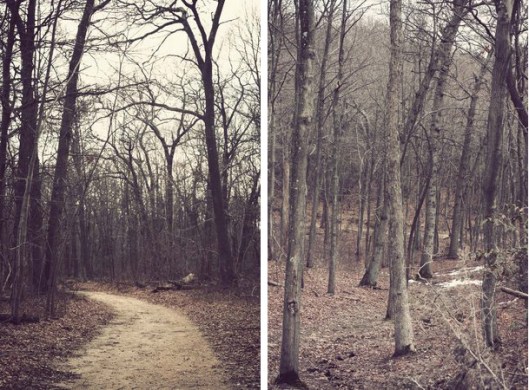
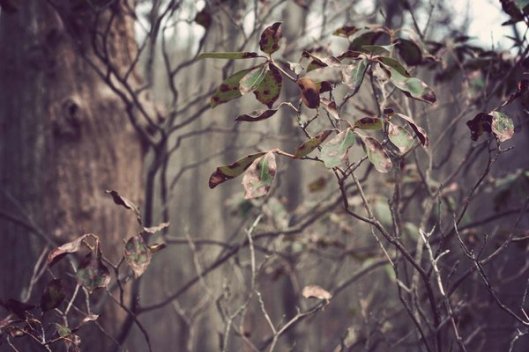
As I started walking I noticed there were three paths to choose from. Since I was closer to the right path I chose that one first. I strolled down the dirt path and looked around.  The natural life forms that grew here were out of the ordinary. The trees seemed broken, old and battered, like they have seen a lifetime of misery. I have been in many parks and wooded areas in my time and I must say that this one did not seem to be full of life. Branches were torn and twisted, moss consumed most areas and the fallen leaves just lay there quiet and still. Once in awhile the wind would rattle a few and the sounds startled me because I was engulfed in the forests’ emptiness. I followed this path until I saw the grounds of West Hills Park and turned around.
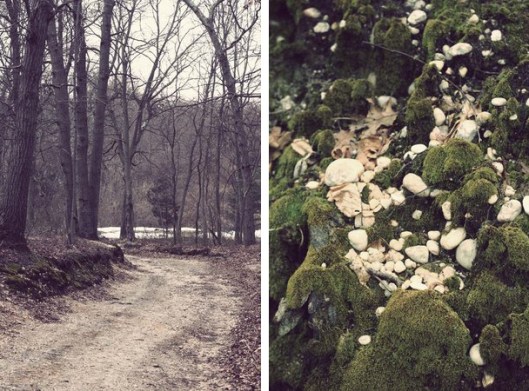
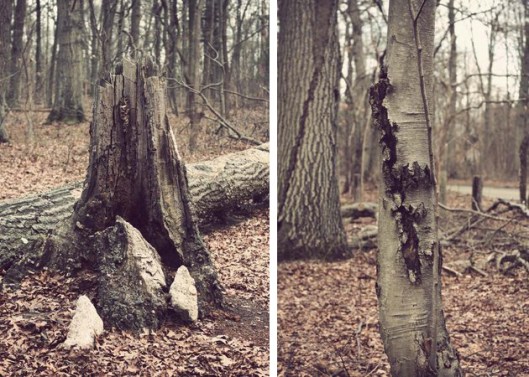
Historic Series: Mount Misery - Copyright 2012 Melissa O'Connor

Historic Series: Mount Misery - Copyright 2012 Melissa O'Connor

Historic Series: Mount Misery - Copyright 2012 Melissa O'Connor

Historic Series: Mount Misery - Copyright 2012 Melissa O'Connor

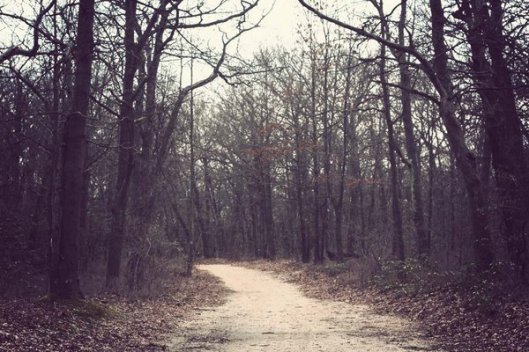
The middle path was the most haunting. The farther I walked the more intrigued I was and the deeper I traveled the more nervous I got. Even though it was daylight the Mount gave off a gloomy light that seemed to reserve itself for visitors. I knew I was walking through tunnels of time and with each step I took forward I was sinking backwards into the past. At one point I turned back and just saw trees. Although the path was still there I felt as if I have gone too far and decided to turn back. The forest seemed to never end. Besides, I still had one more path to explore.
Historic Series: Mount Misery - Copyright 2012 Melissa O'Connor

Historic Series: Mount Misery - Copyright 2012 Melissa O'Connor

The last path was a quick experience. I honestly did not feel comfortable going deeper into the forest alone. It may sound silly but after some time passed the feelings of anxiety took over and my body told me it was time to go. On the way back to my car I thought of all the stories I read about this place before I came. The weird red faced men in suits, the white haired woman who oddly didn’t exist, both of which paid a visit to the same home. Were the Indians right about the Mount after all?
Historic Series: Mount Misery - Copyright 2012 Melissa O'Connor

There are also a few stories about Sweet Hollow Road that coincide with the Mount Misery tales. Sweet Hollow Road runs parallel to Mount Misery and is located within West Hills Park. Supposedly a couple of people died along this road and they are said to haunt the area. One man, a police officer, was killed by a gunshot to the head. You may find him still pulling cars over. Another woman got hit by a car while changing her flat tire and died as well. This was said to happen by the underpass. It seems as if she is friendly considering she will push your car passed the bridge if you turn it off and put it in neutral. I assume she doesn’t want anyone to suffer like she did.

I also heard of some young boys who hung themselves on the bridge and you can sometimes see them still hanging. All these stories are haunting and if you believe in ghosts like I do, you will be more aware when you are traveling in that area next time.

Of all the stories I read the hospital tales are the most interesting. It is said that during the 1700s an asylum was built in these woods and was burned down by a fire. We all know how people were treated in places like this back then and it was not good. Screams were often heard from the patients there and the employees were said to be mistreated as well. About 10 years later, it burned to the ground and remained an empty forest.

Then during the 1900s the government rebuilt a new hospital to help soldiers from World War II. By the end of the war, the hospital closed down but oddly reopened around 1947. This is when strange things started to happen. It is believed that the government were running secret drug tests on people and personnel to better understand brainwashing techniques. One man shared his experience and stated that after he recovered and left the hospital he remembers seeing a sign that read Area 5. Beyond this information, nothing was found.

I am excited to hopefully explore Mount Misery even more and find more information on the hospital. Some say you can still find the stone steps of the building and fragments of the foundation. I did go back after I wrote this but wasn’t able to find anything. The only way to really explore the area is by foot but I suggest you don’t do it alone. Even when entering on the south side of Mount Misery Road you will come to the end where the Driftwood Day Camp is located.

Whatever you decide to do it is no doubt that this area has been keeping people talking for decades. Generations of stories not only inspire the fearless but keep the investigators wondering. What will become of the famous Mount Misery? Putting history aside and exploring ourselves, we can all capture a new view of this Long Island mystery.

Historic Series: The Jerusalem Friends Cemetery

18 Monday Jun 2012

Posted by melissaoconnor in Historic Places

≈ Leave a comment

Tags

historic, history, jerusalem ave, jerusalem friends cemetery, long island, new york, quakers, religion, society of friends, wantagh

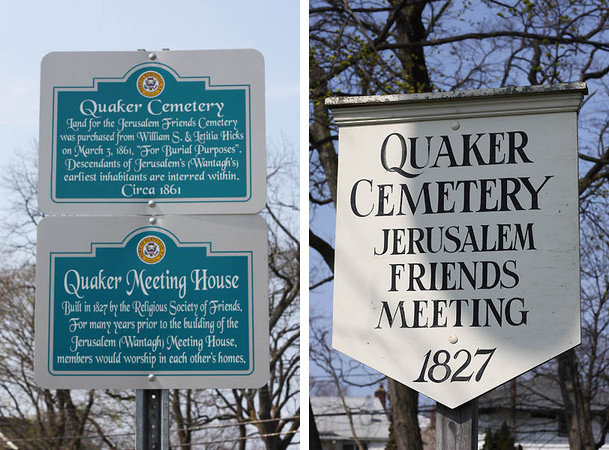
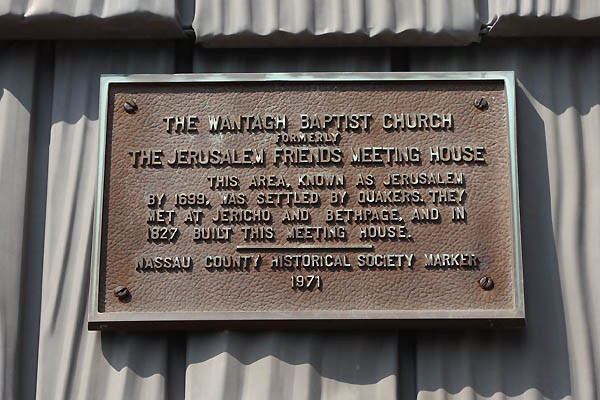
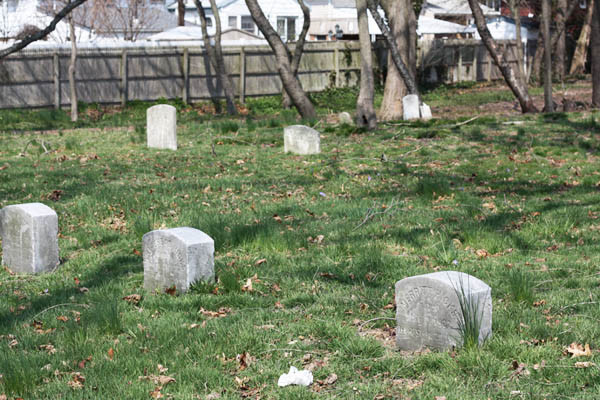
Located off Wantagh Avenue on what used to be Jerusalem Road is a historical religious landmark that represents new faith and a unique view towards the world.

HIstoric Series: The Jerusalem Friends Cemetery - Copyright 2012 Melissa O'Connor

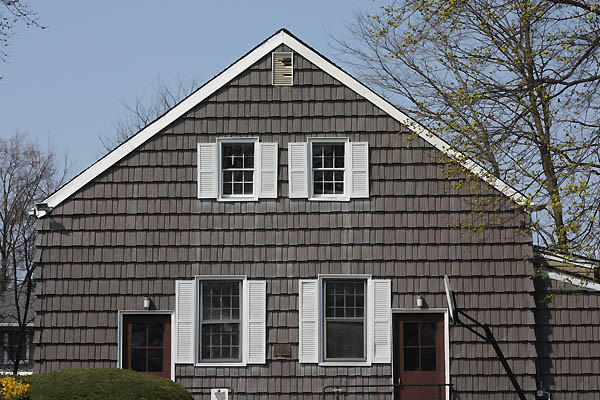
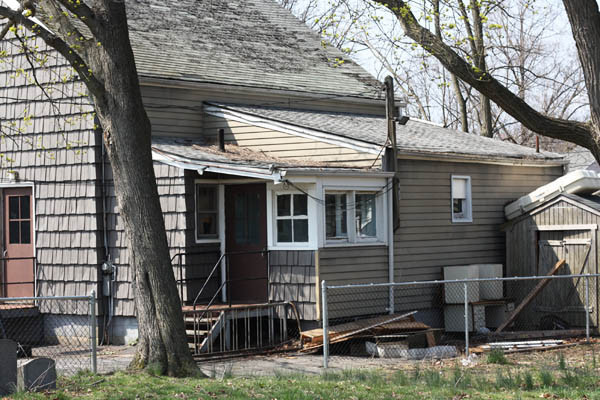
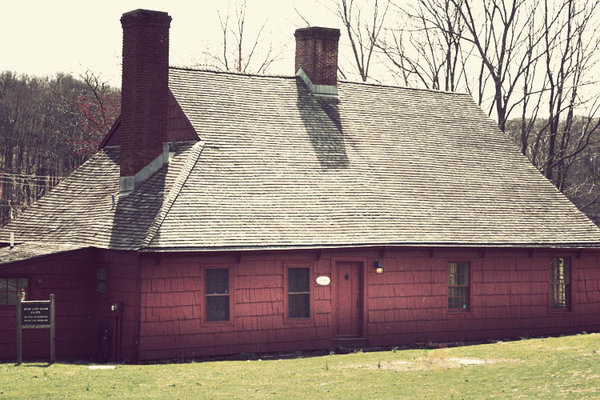
Now owned by the Baptist Church, the Jerusalem Friends Cemetery & Meeting House in Wantagh was the home of a brave number of people who stood for what they believed in. The meeting house and cemetery is now left behind to tell their story.

HIstoric Series: The Jerusalem Friends Cemetery - Copyright 2012 Melissa O'Connor

The Society of Friends was an organization that formed in England around the 1600s and quickly spread to America. This religious group consisted of Quakers that were considered to have unorthodox views with their talk about the “Inward Light” as well as refusing to bow to authority figures. This behavior resulted in many persecutions.

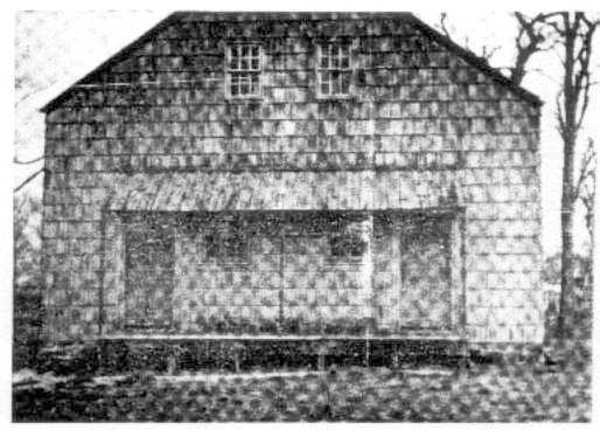
Meetings were held every five weeks on the first day in various towns and member’s homes. In 1827, the Jerusalem meeting house was built on farmland owned by Ardon Seaman, who was a preacher until he died in 1875. From 1908 till 1949 meetings were joined with the Jericho sector and the meeting house was only used for annual gatherings.

HIstoric Series: The Jerusalem Friends Cemetery - Copyright 2012 Melissa O'Connor

HIstoric Series: The Jerusalem Friends Cemetery - Copyright 2012 Melissa O'Connor

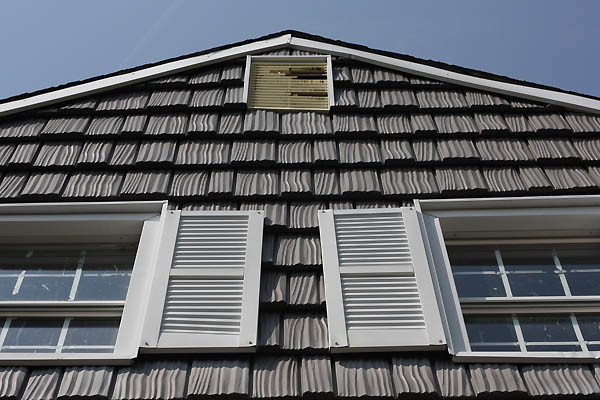
The one and a half-story building was built from oak with a stone foundation. The timbers were pinned together by use of the mortis and tenon method. It had two brick chimneys and the exterior was covered in shingles.

HIstoric Series: The Jerusalem Friends Cemetery - Copyright 2012 Melissa O'Connor

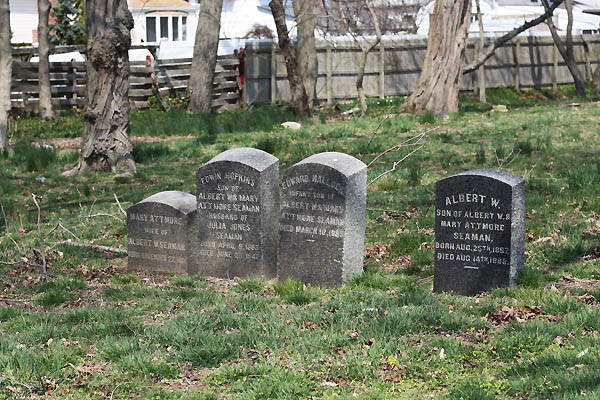
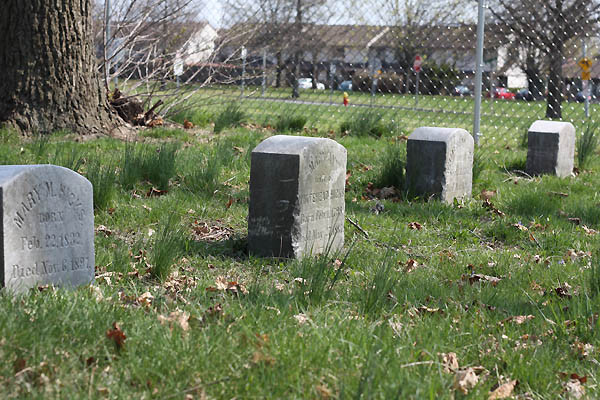
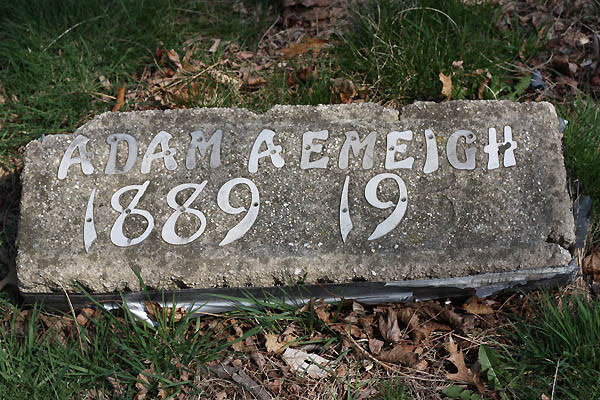
The cemetery on the land originally had 42 plots with 21 on each side. The price for a full plot was $8 while a half was $4. When the Baptist Church purchased the property in 1952, although the cemetery wasn’t included, it was understood it would be kept up and taken care of.

HIstoric Series: The Jerusalem Friends Cemetery - Copyright 2012 Melissa O'Connor

HIstoric Series: The Jerusalem Friends Cemetery - Copyright 2012 Melissa O'Connor

HIstoric Series: The Jerusalem Friends Cemetery - Copyright 2012 Melissa O'Connor

HIstoric Series: The Jerusalem Friends Cemetery - Copyright 2012 Melissa O'Connor

While there is much history with the Quakers, all we have now is their stories and the land, which they were created. Members and residents like the Seaman, Verity and Southard family laid their heads to rest one last time and we all have the privilege to be in their company. They all will be remembered as brave, independent souls who wanted change and freedom.

HIstoric Series: The Jerusalem Friends Cemetery  - Original Building

Historic Series: The Henry Lloyd Manor

14 Thursday Jun 2012

Posted by melissaoconnor in Historic Places

≈ 1 Comment

Tags

african american poet, architecture, caumsett park, henry lloyd, historic, history, jupiter hammon, lloyd family, lloyd harbor, long island, nature, new york, red, slaves

Henry Lloyd, a famous descendant of the Lloyd family, came to New York in 1711 and decided to take over his father’s land. The 3,000 acres located on Lloyd Neck was the perfect place to start a business and provide for a family. Considering he already owned a successful business in Boston this new venture was sure to bring fortune and happiness.

Historic Series: The Henry Lloyd Manor - Copyright 2012 Melissa O'Connor

Historic Series: The Henry Lloyd Manor - Copyright 2012 Melissa O'Connor

When he arrived he had six slaves and some goods that were considered valuable at the time such as bibles and needles. He had just gotten married three years earlier and was ready to start a family. The first Manor house was built for him and his wife Rebecca on the edge of Caumsett Park in March of that same year. Ten children came out of the marriage and after Rebecca died James married another woman, Mary.

Historic Series: The Henry Lloyd Manor - Copyright 2012 Melissa O'Connor

After some time they acquired more slaves to work on the property including Jupiter Hammon. Jupiter was the first African-American poet that was published in the United States and was very close to the Lloyd family. Henry used the land very wisely and eventually cleared space to raise sheep, grow orchards and construct more buildings. After all his work the Manor became self sufficient with food, clothing, education and farms. Henry even imported apple trees to make cider which brought even more profit to the estate.

Historic Series: The Henry Lloyd Manor - Copyright 2012 Melissa O'Connor

Historic Series: The Henry Lloyd Manor - Copyright 2012 Melissa O'Connor

Not only was Henry a clever businessman but he was also a great leader. With his direction the Manor was a famous spot for trade as well as its natural recourses. The Lloyd family had everything they needed from food and goods to clothing and housing. When Henry passed away in 1763 he left the Manor to his sons. Having paid for his son James’ education his portion of the land was less than the others and since his other son James had died at age thirteen he left money to his daughters and grandchildren. Jupiter Hammon received a nice sum of money as well.

Historic Series: The Henry Lloyd Manor - Copyright 2012 Melissa O'Connor

Historic Series: The Henry Lloyd Manor - Copyright 2012 Melissa O'Connor

What is left of Henry’s legacy is the Manor house which is of post-medieval architectural design. This 17th century style is famous for its steep roofs, timber frame construction and small casement windows. They most often contained large chimneys and large fireplaces for cooking as well. It originally evolved from Romanesque architecture and was used throughout the Renaissance. In 1722 the house was enhanced with two attachments, one on the side and the other at the back. The kitchen was located in this side addition which had a chimney of its own.

Historic Series: The Henry Lloyd Manor - Copyright 2012 Melissa O'Connor

Today the Manor house is preserved and maintained by the Lloyd Harbor Historical Society. It stands on Caumsett State Park grounds and sits next to the George Weir Barn which was constructed a year after Henry died.

← Older posts
Newer posts →
color in films sound in color art inpsired palettes
art and design the home events and parties weddings real weddings color inspiration film-reviews historic places news and updatesminted


minted.com

Enter your email address to follow this blog and receive notifications of new posts by email.

Archives


martha

Magnolia Rouge

Screen Shot 2014-04-23 at 2.29.10 PM

Etsy

Screen Shot 2014-04-23 at 2.18.10 PM

logo

Screen Shot 2014-04-23 at 2.42.13 PM

P&PBlogHeader

wedding chicks


ruffled

Screen Shot 2014-04-23 at 2.47.49 PM

Screen Shot 2014-04-23 at 2.16.32 PM


lauren-elle-photography

jenlombardo

logo_website

site-logo1

kelly_dekenipp_logo

homelogo

Website Powered by WordPress.com.

Privacy & Cookies: This site uses cookies. By continuing to use this website, you agree to their use.
To find out more, including how to control cookies, see here: Cookie Policy
  • Subscribe Subscribed
    • The Design Inspirationalist
    • Join 1,379 other subscribers
    • Already have a WordPress.com account? Log in now.
    • The Design Inspirationalist
    • Subscribe Subscribed
    • Sign up
    • Log in
    • Report this content
    • View site in Reader
    • Manage subscriptions
    • Collapse this bar
 

Loading Comments...