• About
  • Visit Gray Star Design
  • Minted Collection
  • Design Services
  • Contact

The Design Inspirationalist

~ Inspiring Ideas | Spectacular Creations

The Design Inspirationalist

Tag Archives: huntington

Historic Series: Huntington Sewing and Trade School

26 Thursday Jul 2012

Posted by melissaoconnor in Historic Places

≈ Leave a comment

Tags

arts and crafts style, brick, colonial design, historic, huntington, huntington sewing and trade school, main street, medieval, new york, school, trade school

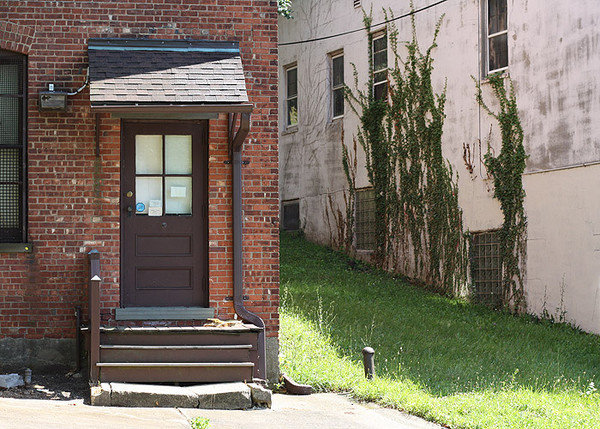
The Huntington Sewing and Trade School has been around since the early 1900s and is the home of the Huntington Historical Society. It was purchased by the Historical Society in 1982 and is used for administrative services as well as the society’s resource center. This building has been a part of Huntington for decades and played a positive role in its growth and success.

Historic Series: Huntington Sewing and Trade School - Copyright 2012 Melissa O'Connor

In addition, Huntington Sewing and Trade School was the first vocational school in the United States. The school taught many woman the important skills needed to keep a house and daily life moving forward as well as many trades to the men and young boys. Its classes included English, cooking and the arts as well as religion.

Historic Series: Huntington Sewing and Trade School - Copyright 2012 Melissa O'Connor

Many photographs of children in class at the trade school can be found in the Huntington Historical Society’s archives. Looking at those photos allows anyone to step back in time and see how different life was compared to today. It truly puts things into perspective.

The school building was designed by Cady, Berg and See in 1905, the same designers that created the Soldiers and Sailors Memorial Building across the street.  Their resume holds works of art such as the Metropolitan Opera House and The American Museum of Natural History. However, their specialty was school buildings. They showcased the Tudor Revival style in the trade school, which was very popular at the time.

Historic Series: Huntington Sewing and Trade School - Copyright 2012 Melissa O'Connor


I love the architecture of this building. The next time you are walking by on Main Street be sure to take a good look at all of its unique characteristics. Its decorative accents are a combination of medieval and colonial design. The whole purpose of this style was so the building looked different and not as commercial as the rest. Think of the Arts and Crafts movement and this style fits it like a glove.

Historic Series: Huntington Sewing and Trade School - Copyright 2012 Melissa O'Connor

The arched doorway is typical for Tudor design and you can see Medieval accents in the hinged brackets and door knob palette. The brick and stone exterior plays on natural elements of the earth and the details in the wood is elegant and clean. Nothing is too loud, yet the building exerts power and strength. I love that. The second floor windows are beautiful and I feel they add that crafty touch.

Historic Series: Huntington Sewing and Trade School - Copyright 2012 Melissa O'Connor


Historic Series: Huntington Sewing and Trade School  - Photo Credit: Bygone Long Island

Around the 1900s, Main Street along with New York Avenue was the center of town just as it is today. With all of its businesses and the great location, Huntington was an ideal place to live. The Huntington Sewing and Trade School was in the middle of it all, helping people learn and grow so that the community could gain success. It’s surely a place that will never be forgotten.

Historic Series: Mount Misery

28 Thursday Jun 2012

Posted by melissaoconnor in Historic Places

≈ Leave a comment

Tags

driftwood day camp, forest, ghost stories, ghosts, haunted, haunted places, history, huntington, leaves, long island, moss, mount misery, nature, new york, park, stories, tales, trees

Long Island certainly has its history and with this comes a number of ghost stories.  Being an explorer I have always been interested in haunted places. Having a love for photography allows me to capture these places and keep them alive. They either get torn down, locked up, or they are left alone. That is where people like me come in.

Exploring the depths of history I took a trip to Huntington’s own Mount Misery. Remembering my past experience with the Mount I was very eager to go back. Being only 16 years old I was freaked out as some friends and I drove through the area. Even though I was in the car with the people I trusted I will admit it was one scary night.
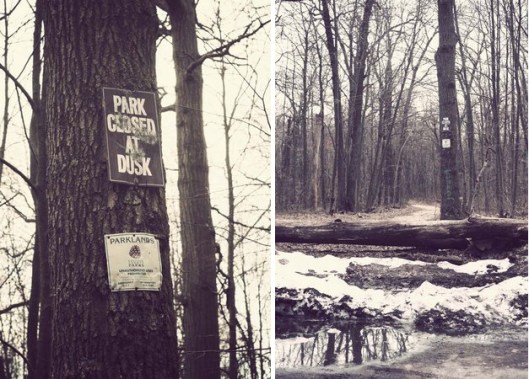
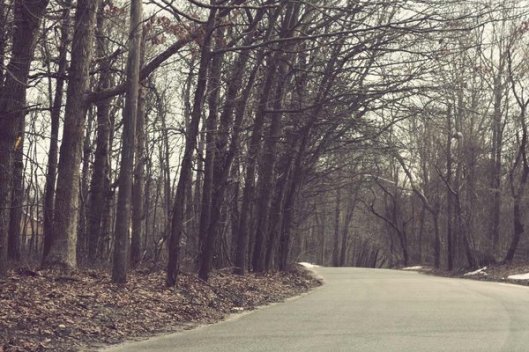
Historic Series: Mount Misery - Copyright 2012 Melissa O'ConnorThe north side entrance

Located within the West Hills County Park, Mount Misery is the highest peak of Long Island at 400 feet. It can be accessed by taking the Walt Whitman Trail, named for the famous poet who was born nearby and spent many years wandering in the area. Of the five original Native American tribes that settled in the area some had believed negative forces took over the land. Not many explored the area but the ones who did often found dead and mutilated animals.
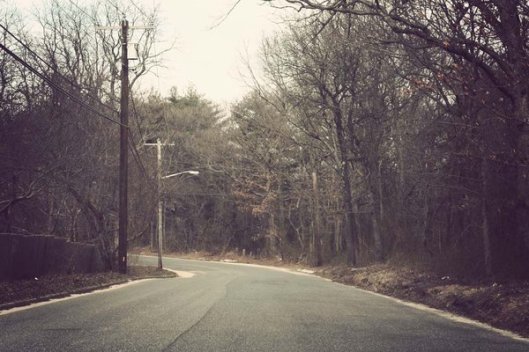
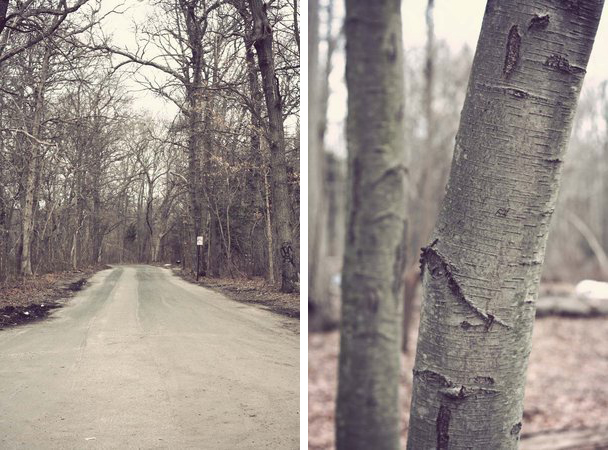
Historic Series: Mount Misery - Copyright 2012 Melissa O'ConnorThe south side of Mount Misery

Historic Series: Mount Misery - Copyright 2012 Melissa O'ConnorThe south side of Mount Misery

Because of its location the land was unsuccessful at growing any kind of crops. This resulted in many people settling in the surrounding areas sparing the Mount the human contact that could have given it life. When the land was purchased from the Indians they warned the settlers about the evil spirits that called Mount Misery home. There were also stories of strange lights seen in the sky and a creature that roamed the hills.  The Indians asked that the new owners of the land stay away.
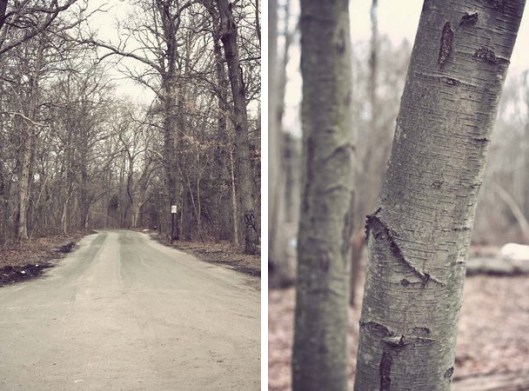
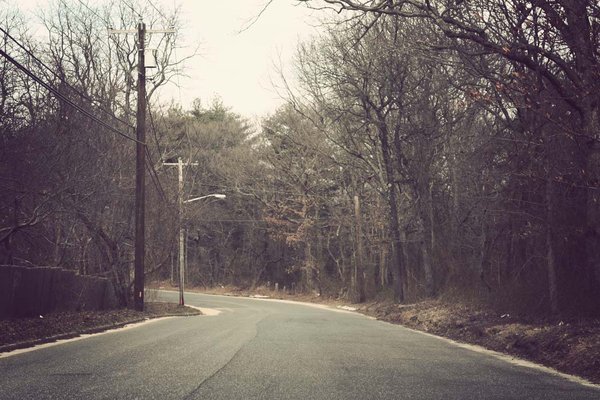
Historic Series: Mount Misery - Copyright 2012 Melissa O'ConnorLeft: Mount Misery Road

Historic Series: Mount Misery - Copyright 2012 Melissa O'Connor

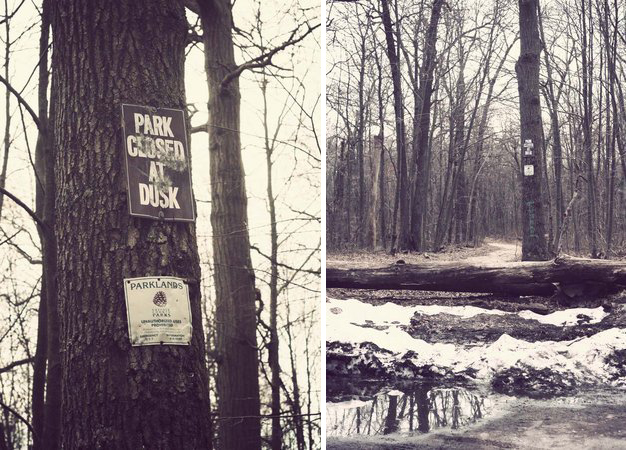
Today Mount Misery Road can be found off Old Country Road and Highhold Drive. It’s separated by the Northern State Parkway so unless you travel on foot when the road ends you have to enter on either side. For my visit back in 2010, I decided to explore the north side first. As I came to the end of the road I was greeted by two tree trunks stacked on the ground. Was this a sign telling people to stay away, an act of nature or simply a manmade barricade? I just stood there with my camera, took a photo and moved forward. I entered the woods to the right because it seemed the only way possible. To the left was a driveway that led to someone’s home which I found odd.  Having a house out in the middle of Mount Misery? Interesting.
Historic Series: Mount Misery - Copyright 2012 Melissa O'Connor

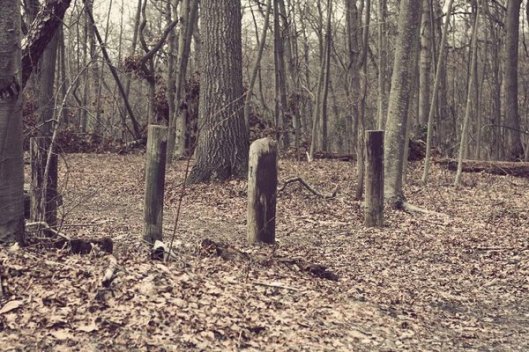
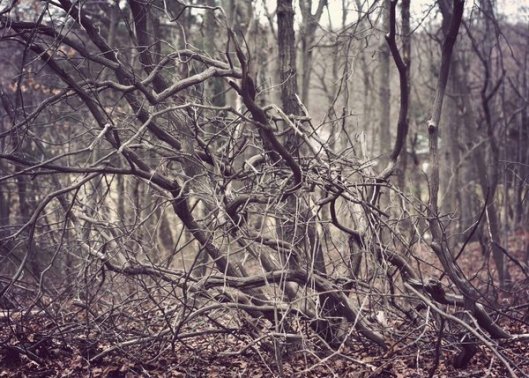
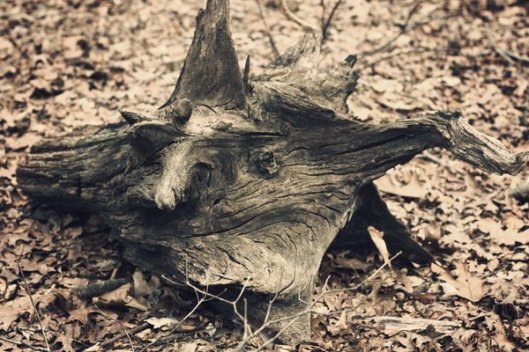
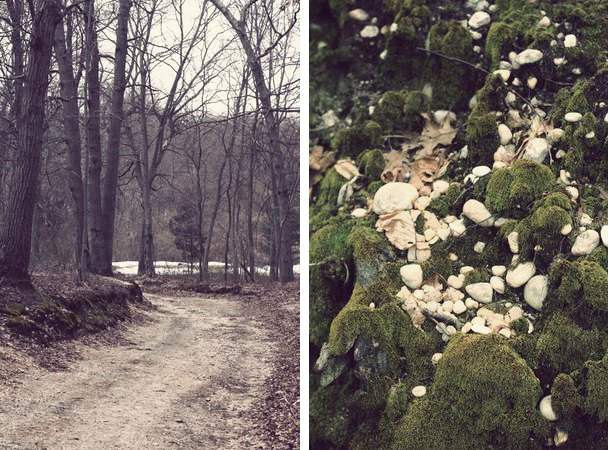
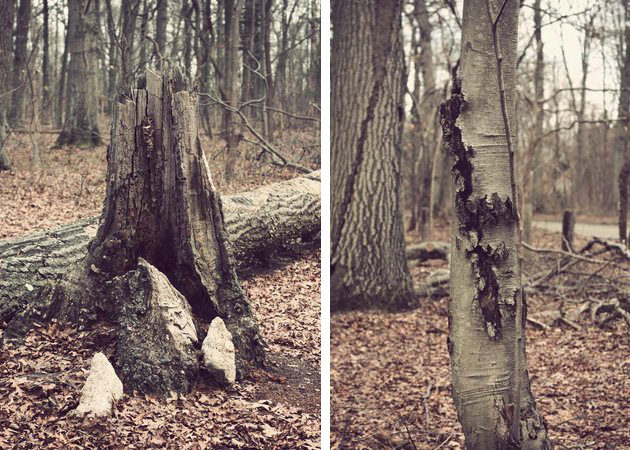
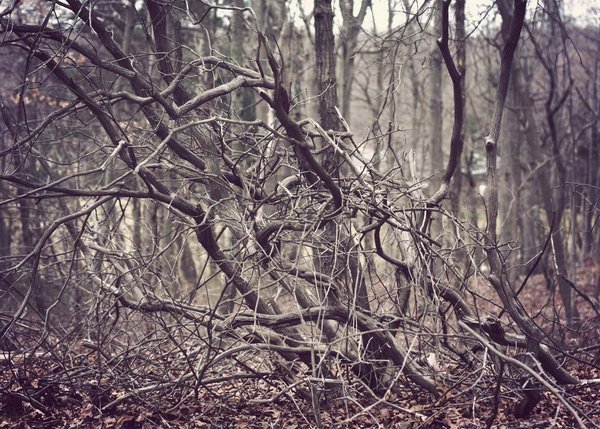
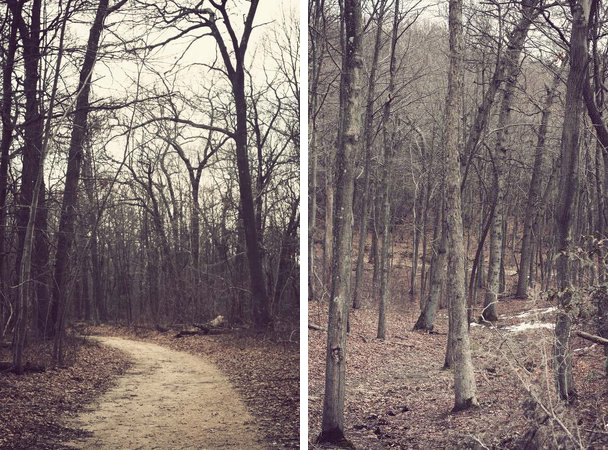
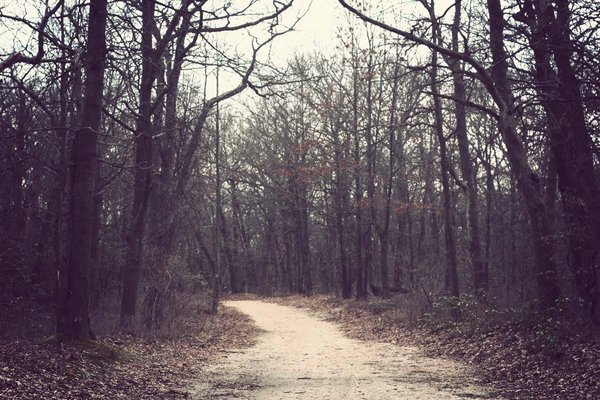
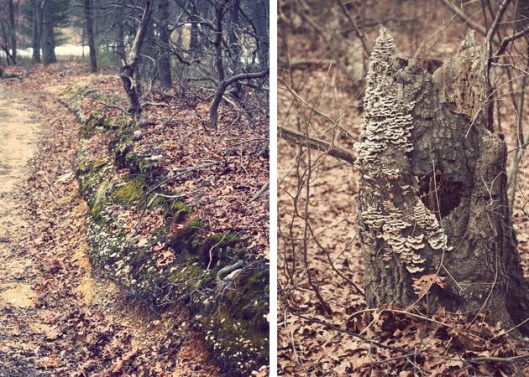
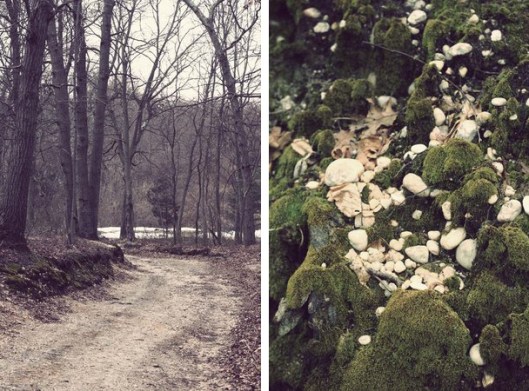
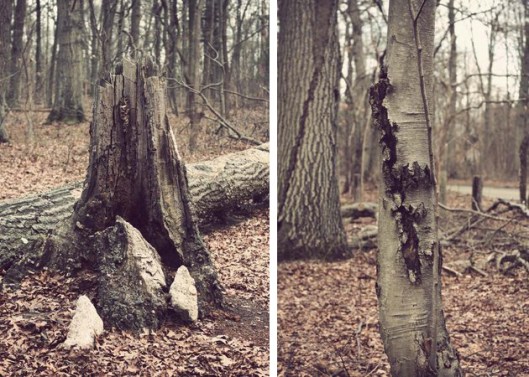
As I started walking I noticed there were three paths to choose from. Since I was closer to the right path I chose that one first. I strolled down the dirt path and looked around.  The natural life forms that grew here were out of the ordinary. The trees seemed broken, old and battered, like they have seen a lifetime of misery. I have been in many parks and wooded areas in my time and I must say that this one did not seem to be full of life. Branches were torn and twisted, moss consumed most areas and the fallen leaves just lay there quiet and still. Once in awhile the wind would rattle a few and the sounds startled me because I was engulfed in the forests’ emptiness. I followed this path until I saw the grounds of West Hills Park and turned around.
Historic Series: Mount Misery - Copyright 2012 Melissa O'Connor

Historic Series: Mount Misery - Copyright 2012 Melissa O'Connor

Historic Series: Mount Misery - Copyright 2012 Melissa O'Connor

Historic Series: Mount Misery - Copyright 2012 Melissa O'Connor

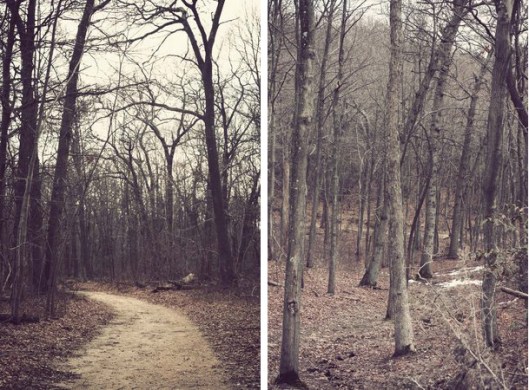
The middle path was the most haunting. The farther I walked the more intrigued I was and the deeper I traveled the more nervous I got. Even though it was daylight the Mount gave off a gloomy light that seemed to reserve itself for visitors. I knew I was walking through tunnels of time and with each step I took forward I was sinking backwards into the past. At one point I turned back and just saw trees. Although the path was still there I felt as if I have gone too far and decided to turn back. The forest seemed to never end. Besides, I still had one more path to explore.
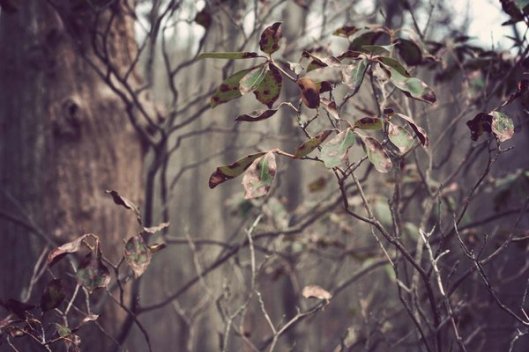
Historic Series: Mount Misery - Copyright 2012 Melissa O'Connor

Historic Series: Mount Misery - Copyright 2012 Melissa O'Connor

The last path was a quick experience. I honestly did not feel comfortable going deeper into the forest alone. It may sound silly but after some time passed the feelings of anxiety took over and my body told me it was time to go. On the way back to my car I thought of all the stories I read about this place before I came. The weird red faced men in suits, the white haired woman who oddly didn’t exist, both of which paid a visit to the same home. Were the Indians right about the Mount after all?
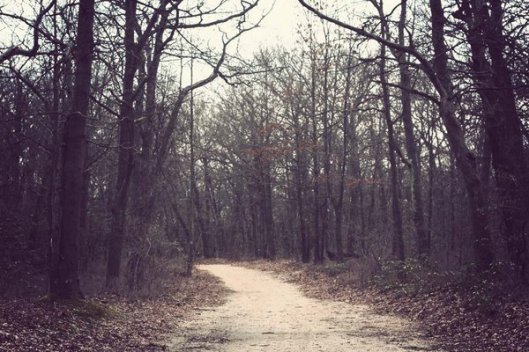
Historic Series: Mount Misery - Copyright 2012 Melissa O'Connor

There are also a few stories about Sweet Hollow Road that coincide with the Mount Misery tales. Sweet Hollow Road runs parallel to Mount Misery and is located within West Hills Park. Supposedly a couple of people died along this road and they are said to haunt the area. One man, a police officer, was killed by a gunshot to the head. You may find him still pulling cars over. Another woman got hit by a car while changing her flat tire and died as well. This was said to happen by the underpass. It seems as if she is friendly considering she will push your car passed the bridge if you turn it off and put it in neutral. I assume she doesn’t want anyone to suffer like she did.

I also heard of some young boys who hung themselves on the bridge and you can sometimes see them still hanging. All these stories are haunting and if you believe in ghosts like I do, you will be more aware when you are traveling in that area next time.

Of all the stories I read the hospital tales are the most interesting. It is said that during the 1700s an asylum was built in these woods and was burned down by a fire. We all know how people were treated in places like this back then and it was not good. Screams were often heard from the patients there and the employees were said to be mistreated as well. About 10 years later, it burned to the ground and remained an empty forest.

Then during the 1900s the government rebuilt a new hospital to help soldiers from World War II. By the end of the war, the hospital closed down but oddly reopened around 1947. This is when strange things started to happen. It is believed that the government were running secret drug tests on people and personnel to better understand brainwashing techniques. One man shared his experience and stated that after he recovered and left the hospital he remembers seeing a sign that read Area 5. Beyond this information, nothing was found.

I am excited to hopefully explore Mount Misery even more and find more information on the hospital. Some say you can still find the stone steps of the building and fragments of the foundation. I did go back after I wrote this but wasn’t able to find anything. The only way to really explore the area is by foot but I suggest you don’t do it alone. Even when entering on the south side of Mount Misery Road you will come to the end where the Driftwood Day Camp is located.

Whatever you decide to do it is no doubt that this area has been keeping people talking for decades. Generations of stories not only inspire the fearless but keep the investigators wondering. What will become of the famous Mount Misery? Putting history aside and exploring ourselves, we can all capture a new view of this Long Island mystery.

Historic Series: The Joseph Lloyd Manor

07 Thursday Jun 2012

Posted by melissaoconnor in Historic Places

≈ Leave a comment

Tags

Abner Osbor, architecture, arts, colonial, design, federal, federal style architecture, historical, history, house, huntington, Joseph Lloyd Manor, lloyd harbor, manor, mortise and tenon, nature, new york

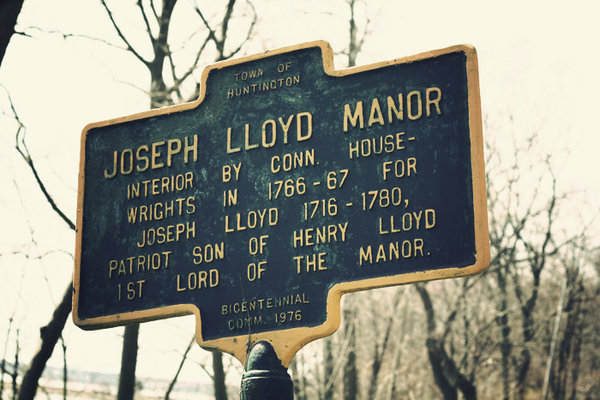
Part of the Lloyd family land, the Manor house was built in 1766 by Joseph Lloyd after his father Henry passed away. Overlooking the harbor, the Manor sits on 2 acres of land in Huntington, New York and shows off its federal style architecture beautifully.

Historic Series: The Joseph Lloyd Manor - Copyright 2012 Melissa O'Connor

It’s symmetry and clean design is the result of the timber framed technique which is done by jointing heavy timbers by use of mortise and tenon. This joint technique has been used by woodworkers for thousands of years and became familiar to stonemasons and blacksmiths soon after.

Historic Series: The Joseph Lloyd Manor - Copyright 2012 Melissa O'Connor

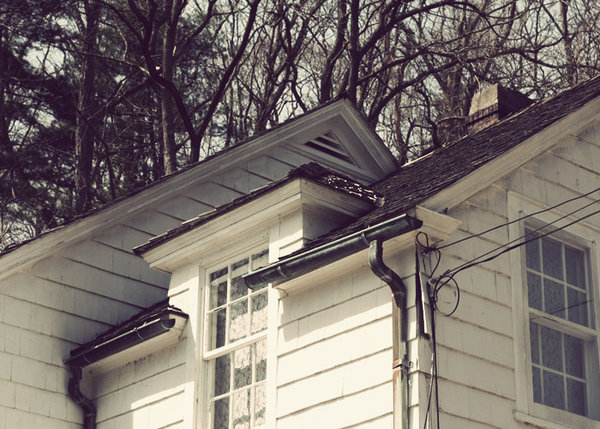
The original gable roof is clearly defined as well. This style and shape was often found in gothic architecture and was a big part of 18th century design. During the 19th century some adjustments were made to the house and even more toward the 20th century when it changed ownership. However, original elements of the house still can be found such as the crown molding, wainscoting, staircase, banister and paneled fireplace. You will also find that the kitchen still has its vintage style hearth and bake oven.

Historic Series: The Joseph Lloyd Manor - Copyright 2012 Melissa O'Connor

Historic Series: The Joseph Lloyd Manor - Copyright 2012 Melissa O'Connor

The interior elements of the house were designed by Connecticut born carpenter Abner Osborn. He was recommended by Joseph’s brother James and worked on the project with four apprentices. They completed the exterior sheathing of the house as well as the doors, windows and interior paneling and molding.

Historic Series: The Joseph Lloyd Manor - Copyright 2012 Melissa O'Connor

There has been a number of owners and guests of the Manor house and some that have even rented it for some time. In 1940 it was leased by Charles Lindbergh who needed an escape from the chaos of his son’s kidnapping. During the Revolutionary War, American troops also built a fort on the west end of the Manor property (now Caumsett) and stayed in the house as well.

During the time of the war Joseph was the only Lloyd family member to remain on the land and was joined by Jupiter Hammon, the famous slave whom he inherited when his father died. Eventually British troops took over and forced them to leave. Joseph then traveled to Hartford, Connecticut in 1776 with Hammon by his side. Later in 1780, he took his own life and Hammon was passed down to his nephew since he had no children of his own.

Historic Series: The Joseph Lloyd Manor - Copyright 2012 Melissa O'Connor

Today the Society for the Preservation of Long Island Antiquities owns the property and offers tours to the public. It is also listed on the National Register of Historic Places.  If you haven’t made a visit to the Manor house I suggest that you do. Especially now that the nice weather is here. Whether you take a tour or not, you can appreciate its beauty and design and maybe even get inspired to step back into time to explore your own history. Remember, when you look into the past you can have a new view into the future.
Historic Series: The Lloyd Family Manor

05 Tuesday Jun 2012

Posted by melissaoconnor in Historic Places

≈ Leave a comment

Tags

An Evening's Thought: Salvation by Christ, antique, caumsett, causeway, cottage, farm, farmers, Grissel Sylvester, henry lloyd, historic, history, huntington, jupiter hammon, lloyd harbor, lloyd manor, new york, oyster bay, religion, slavery, slaves, stable, vintage

I have always loved items and architecture that have that a true vintage appeal to them. My curiosity has always led me to historic places. There is something about the story behind the location as well as the construction that intrigues me. So it made sense that the Lloyd Manor in Huntington, New York would be on my list and I must say that I was very happy with what I captured during my visit.

Historic Series: The Lloyd Family Manor - Copyright 2012 Melissa O'Connor

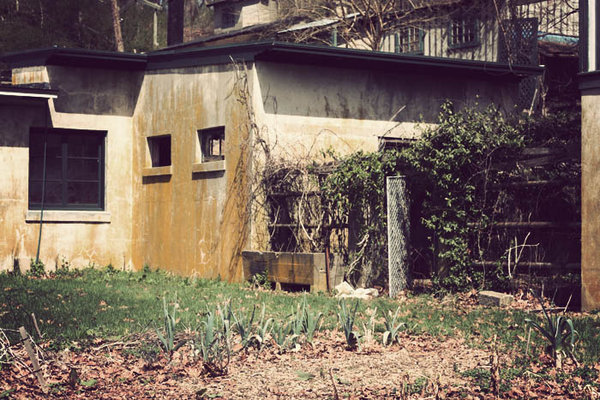
As I turned off Lloyd Harbor Road I spotted numerous buildings on the right and immediately felt excited. I pulled over and started to explore this fascinating place. The farm area was my first stop. It was a relief to see that some of the buildings were showing their old age. Not that I don’t like restoration projects but I am more a fan of things in their natural state.

Historic Series: The Lloyd Family Manor - Copyright 2012 Melissa O'Connor

Historic Series: The Lloyd Family Manor - Copyright 2012 Melissa O'Connor

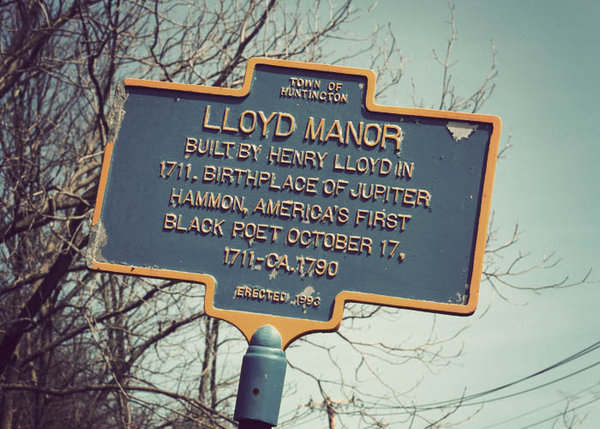
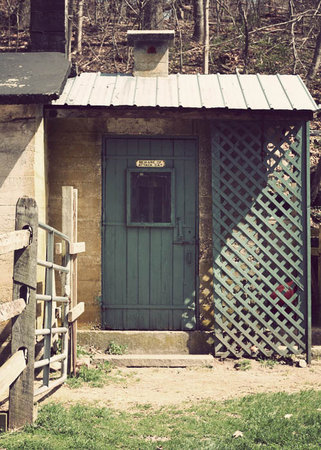
The Manor was built in 1711 and I wanted to capture the essence of that time. As I continued on my journey I spotted a white and black cat just hanging out in a small alley. Was this the “attack cat” who was mentioned on the door sign? If so, I don’t think he is that scary!
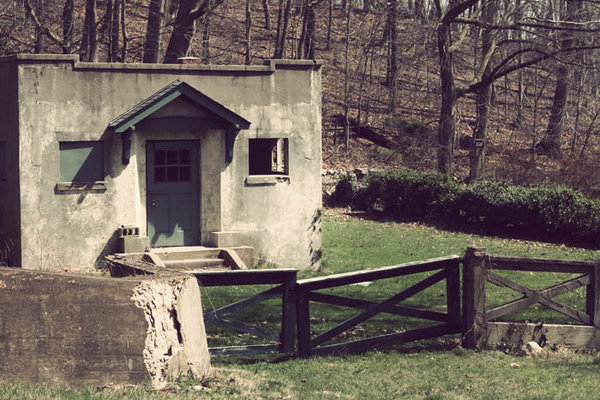
Historic Series: The Lloyd Family Manor - Copyright 2012 Melissa O'Connor

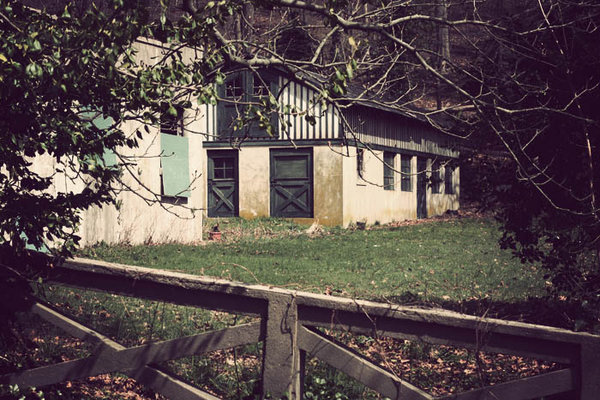
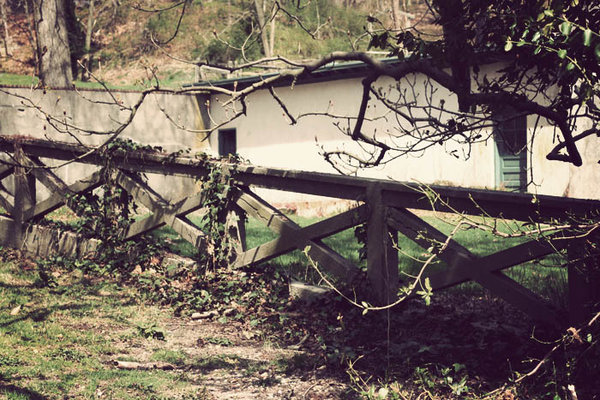
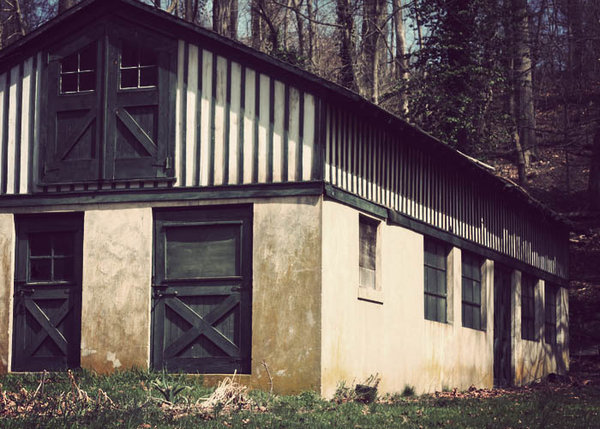
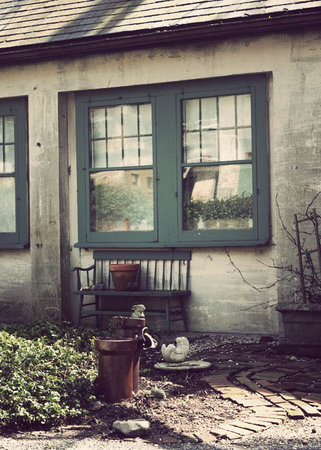
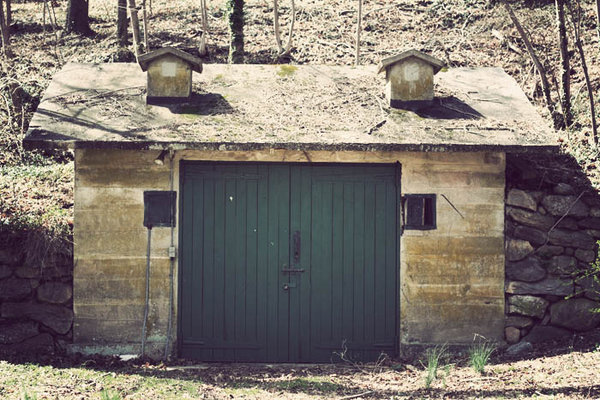
I moved on toward the barn and stable area and found that this was my favorite set of buildings. My walk over there was interesting enough with the cracked stone walls. Some revealed old brick that housed weeds and ivy. The main building was connected to the stables and the barn had a small chicken coop area to its right.
Historic Series: The Lloyd Family Manor - Copyright 2012 Melissa O'Connor

Historic Series: The Lloyd Family Manor - Copyright 2012 Melissa O'Connor

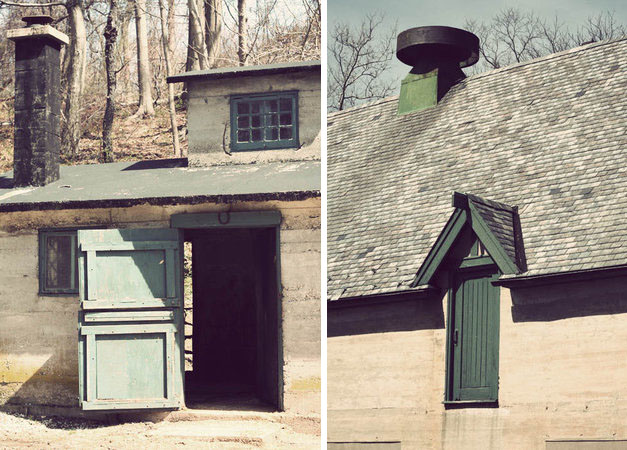
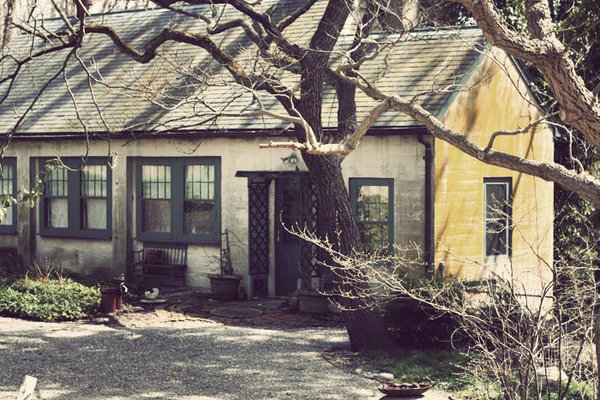
I really loved how the muted clay color of the stone was slightly set back from the dark green of the window frames and doors. It seemed to match well with the greenery and natural setting its surrounded by. I also thought it was convenient that everything was connected either by a gate or a path. It brought the whole Manor together as a whole instead of breaking up all the buildings.

Historic Series: The Lloyd Family Manor - Copyright 2012 Melissa O'Connor

Historic Series: The Lloyd Family Manor - Copyright 2012 Melissa O'Connor

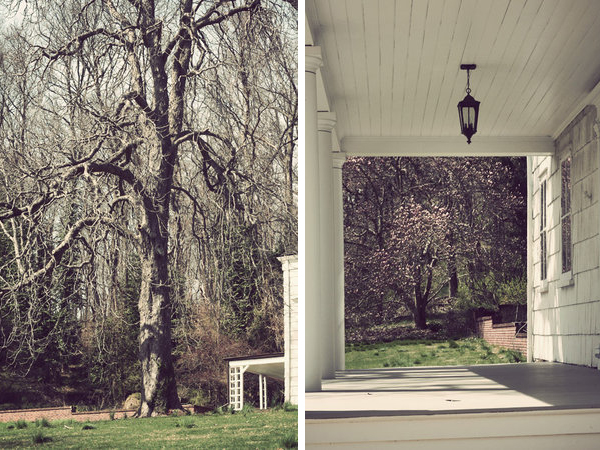
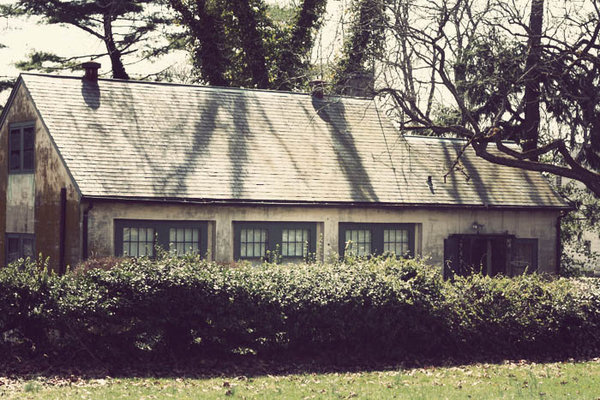
The cottage at the end of the Manor was adorable and quaint. It followed the same design as the other buildings and a nice amount of land for gardening. I can imagine how nice it was to take in the view while relaxing on a summers night. The beautiful trees that guard the Manor are mesmerizing. It is no doubt they have seen amazing things.

Historic Series: The Lloyd Family Manor - Copyright 2012 Melissa O'Connor

Historic Series: The Lloyd Family Manor - Copyright 2012 Melissa O'Connor

The Lloyd family has owned this land for two centuries. Spawning out past Caumsett, the 3,000 acres allowed them to build numerous housing, construct buildings such as the Manor and have access to the natural resources that surrounded it. James Lloyd bought the land in 1676 when he married Grissel Sylvester and rented it out to farmers. In 1711 his son Henry decided to keep up the land and make it more successful. In 1763 Henry passed away and his son, Joseph, decided to build a larger home on the property three years later.

Historic Series: The Lloyd Family Manor - Copyright 2012 Melissa O'Connor

Jupiter Hammon, one of the slaves Joseph inherited by his father, was born and raised on the Manor amongst the other Lloyd children. He was fifty-two when Henry passed. A stocky man with a white beard, Jupiter was smart and educated. He wound up becoming a trusted employee of the Lloyd family as well as assisting Joseph to Connecticut to escape the British. At a young age, Jupiter had attended the Lloyd schoolhouse and learned to read and write. When he was twenty-two years of age he raised enough money from his own garden to buy a bible from the Lloyd family. He was a strict Christian and acted as a preacher to the other 10 known slaves.

Historic Series: The Lloyd Family Manor - Copyright 2012 Melissa O'Connor

Jupiter is also the first black poet in America to be published. His piece, An Evening’s Thought: Salvation by Christ, with Penitential Cries, was published on December 25, 1760 at the age of 50. Jupiter’s parents, Opium and Rose, were both slaves as well. In 1780 after Joseph died Jupiter was given to his nephew because he had no children of his own. Being a slave all his life, he passed away between 1790 and 1806 having published about 7 or so works during his life most of which were his later years.

Historic Series: The Lloyd Family Manor - Copyright 2012 Melissa O'Connor

The Manor was kept by several generations of the Lloyd family so you can understand how important it is to Huntington. Henry Lloyd IV was the last owner of the land acquiring it in 1841 and built an addition to the property near the Causeway. The new dock he constructed was intended for the local steamboats. Between then and 1885 the area was still underdeveloped until the Manor was legally made a part of Huntington and finally separated from Oyster Bay.

For such a small part of Huntington this area holds many treasures and shares unbelievable history. I recommend you visit the Lloyd Manor for yourself and take a look around. It really is striking how time tells stories. Important and valuable people came out of this area and helped to make it successful. Their hard work, bravery and ambition put the Lloyd family on the map and left the Manor for all of us to hold close to our hearts.

{Next in the Lloyd Family series: Joseph Lloyd Manor House}

← Older posts
Newer posts →
color in films sound in color art inpsired palettes
art and design the home events and parties weddings real weddings color inspiration film-reviews historic places news and updatesminted


minted.com

Enter your email address to follow this blog and receive notifications of new posts by email.

Archives


martha

Magnolia Rouge

Screen Shot 2014-04-23 at 2.29.10 PM

Etsy

Screen Shot 2014-04-23 at 2.18.10 PM

logo

Screen Shot 2014-04-23 at 2.42.13 PM

P&PBlogHeader

wedding chicks


ruffled

Screen Shot 2014-04-23 at 2.47.49 PM

Screen Shot 2014-04-23 at 2.16.32 PM


lauren-elle-photography

jenlombardo

logo_website

site-logo1

kelly_dekenipp_logo

homelogo

Website Powered by WordPress.com.

Privacy & Cookies: This site uses cookies. By continuing to use this website, you agree to their use.
To find out more, including how to control cookies, see here: Cookie Policy
  • Subscribe Subscribed
    • The Design Inspirationalist
    • Join 1,379 other subscribers
    • Already have a WordPress.com account? Log in now.
    • The Design Inspirationalist
    • Subscribe Subscribed
    • Sign up
    • Log in
    • Report this content
    • View site in Reader
    • Manage subscriptions
    • Collapse this bar
 

Loading Comments...